How to Adapt Warehouse Storage for Various Product Sizes Tips

Time:2026-06-10 Author:Aria
0%

In today's dynamic supply chain environment, understanding how to adapt warehouse storage for different product sizes is crucial. With consumer demands shifting rapidly, warehouses must efficiently accommodate a variety of items. This not only affects space management but also impacts overall operational efficiency.

Implementing flexible storage solutions can optimize your warehouse layout. By utilizing adjustable shelving and modular racking, you can better manage space for varying product dimensions. However, selecting the right system requires careful consideration of each product's specific needs.

It's important to reflect on the current storage methods and recognize areas for improvement. Not every strategy will work perfectly for all product types. Continuous evaluation and adjustment are necessary for maintaining efficiency. Embracing these adaptations can significantly enhance storage capabilities, ultimately leading to smoother warehouse operations.
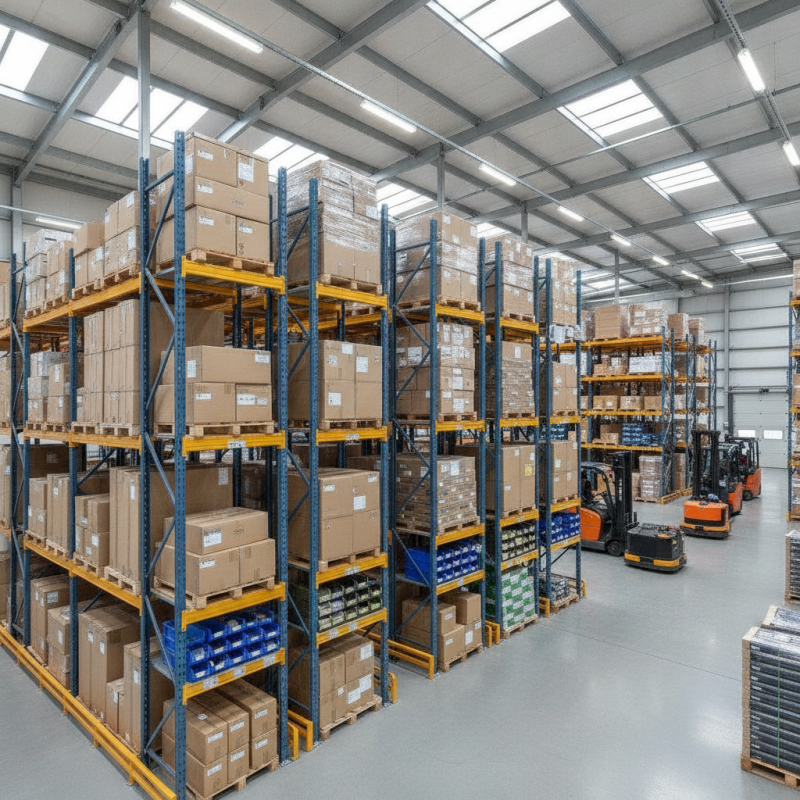
How to Adapt Warehouse Storage for Various Product Sizes Tips

Assessing Warehouse Space for Diverse Product Dimensions

Warehouse space optimization is crucial for managing product sizes effectively. A recent report by the Warehousing Education and Research Council (WERC) indicates that 50% of warehouse space is wasted due to poor inventory management. Consequently, assessing available space for diverse product dimensions becomes essential for maximizing efficiency.

Understanding the dimensions of each product can aid in configuring storage solutions. For instance, utilizing vertical space can create room for smaller items, while larger products may necessitate dedicated areas with appropriate shelving. Moreover, adaptability is vital; studies show that warehouses that regularly redesign layouts see a 30% increase in space utilization.

Incorporating flexible storage systems can further enhance adaptability. A pallet racking system may serve larger items, while bins or shelves can accommodate smaller products. This setup allows for rapid adjustments, accommodating fluctuating inventory demands. However, frequent changes can lead to confusion. A structured approach to reorganizing storage areas is necessary. Regular assessments and employee training can mitigate these challenges, ensuring effective space usage and improved overall operations.

Selecting Appropriate Storage Solutions for Different Product Sizes

When adapting warehouse storage, selecting appropriate solutions for various product sizes is critical. Data indicates that 70% of warehouse space is underutilized due to unsuitable storage methods. Understanding product dimensions allows warehouse managers to optimize space effectively. Pallet racks serve well for standard-sized items, while custom shelving may be necessary for smaller products.

One common mistake is using the same storage solution for all products. Some items require climate control or specialized handling. For instance, delicate items can benefit from cushioned storage spaces. According to logistics reports, poorly organized storage can lead to a 30% increase in retrieval time. This inefficiency highlights the need for tailored shelving systems that cater to diverse product shapes and sizes.

Moreover, modular storage systems offer flexibility. They can be adjusted based on inventory changes. Many warehouses have successfully implemented such systems, reducing wasted space dramatically. However, without periodic reviews of inventory, even the best systems can fall short. Regular assessments help maintain optimal storage conditions and adapt to changing product lines.

Implementing Modular Shelving Systems for Flexibility

Implementing modular shelving systems in a warehouse can significantly enhance storage flexibility. These systems are designed to adapt to various product sizes, making them ideal for dynamic inventory needs. With adjustable shelves, warehouses can easily accommodate larger items without significant disruption. Users can modify the height and width, optimizing space efficiently.

Many warehouses face challenges in managing space. Some shelving systems might become obsolete if the inventory changes frequently. Modular designs allow for quick adjustments, minimizing wasted space. This versatility improves overall workflow and efficiency, allowing staff to retrieve items faster. The right configuration can lead to improved organization, reducing time spent searching for products.

While implementing these systems offers clear benefits, it’s essential to assess the specific needs of your warehouse. Regular evaluation of storage solutions is crucial. What works today might not work tomorrow. Adapting to changes in product sizes or types helps maintain a streamlined operation. The goal is to find a balance between efficiency and adaptability.

Utilizing Vertical Space to Maximize Storage Capacity

Maximizing vertical space is crucial in warehouse storage. It allows you to store more products without needing additional floor space. High shelves and multi-tier racking systems can efficiently utilize the height of your warehouse. Make sure to accommodate various product sizes when designing the layout. Use adjustable shelves to adapt to different items.

However, not every vertical storage solution fits all products. Smaller items can be stored in bins on upper levels. Larger items may require ground-level access. This approach can complicate your organization. Regular audits are necessary to ensure everything is easy to find and retrieve. Identifying patterns in product sizes can help streamline your storage setup.

Investing in vertical lift modules can also enhance efficiency. These systems retrieve items quickly, saving time and labor. Yet, they are not always the best choice for every warehouse. Consider your specific needs, budget, and the complexity of your inventory. Reflect on how to maintain flexibility in your storage solutions to adapt to future changes.

Organizing Inventory for Efficient Access and Retrieval

Organizing inventory effectively is crucial for any warehouse. With research indicating that efficient storage and retrieval methods can improve productivity by up to 30%, businesses must prioritize optimal organization strategies. Proper categorization of items based on size and weight can drastically reduce retrieval time. For instance, heavy items should be stored at floor level, while lighter products can be placed on higher shelves.

Utilizing a just-in-time inventory management system can also enhance efficiency. This method allows for timely access to goods, reducing the average lead time by 20%. However, not all warehouses successfully implement this strategy. A common pitfall involves cluttered aisles that hinder movement and access. It's important to regularly assess the layout and flow of the warehouse space.

Incorporating technology, such as barcode scanning and warehouse management systems, optimizes inventory tracking. Yet, data reveals that many facilities still rely on outdated practices. These practices can lead to misplaced items and increased labor costs. By fostering a culture of continuous improvement, warehouses can strengthen their operational efficiency significantly. This approach helps quickly identify areas needing attention and adjusts as necessary.

FAQS

: Why is selecting appropriate storage solutions important?

: Appropriate storage solutions help optimize space and reduce underutilization.

What percentage of warehouse space is often underutilized?

Data shows that 70% of warehouse space is underutilized due to unsuitable methods.

How can different product sizes affect storage choices?

Product dimensions determine whether to use pallet racks or custom shelving.

What common mistake do warehouses make in storage?

Many warehouses use the same storage solutions for all products, ignoring unique handling needs.

What impact does disorganized storage have on retrieval time?

Poor organization can increase retrieval time by 30%.

How does modular storage contribute to efficiency?

Modular systems offer flexibility and can adapt to inventory changes, reducing wasted space.

What is a just-in-time inventory management system?

This system allows timely access to goods, reducing average lead time by 20%.

What is a common issue with warehouse layouts?

Cluttered aisles can hinder movement and access, reducing overall efficiency.

How does technology improve inventory tracking?

Barcode scanning and management systems help optimize tracking and reduce misplaced items.

What should warehouses do for continuous improvement?

Regular assessments and adjustments can strengthen operational efficiency and reduce costs.

Conclusion

Efficient warehouse storage is essential for managing products of varying sizes, and understanding how to adapt warehouse storage for different product sizes is crucial for optimizing space and accessibility. The first step is assessing the warehouse space to identify the dimensions and volume of products being stored. Once this is done, selecting appropriate storage solutions is key; options may include pallet racks, bins, and shelves customized to accommodate diverse product shapes.

Implementing modular shelving systems allows for flexibility, enabling quick adjustments as inventory changes. Additionally, maximizing vertical space through high shelving and overstock areas can significantly enhance storage capacity. Finally, organizing inventory systematically ensures efficient access and retrieval, streamlining operations and improving overall productivity in the warehouse.

Aria

Aria

Aria is a dedicated marketing professional with a deep passion for innovative strategies and a keen understanding of our company's product offerings. With a wealth of experience in the industry, Aria excels at crafting engaging content that highlights the unique features and benefits of our......