In warehouse management and storage solutions, understanding "what is the difference between racking and shelving" is crucial. The global racking systems market is projected to reach $11 billion by 2027, highlighting their importance in space optimization. While both systems serve storage purposes, their designs and functionalities differ significantly. Racks typically hold heavy loads and maximize vertical space, while shelving is better suited for lighter items and easier access.
Research indicates that racking systems can increase warehouse efficiency by up to 30%. However, many warehouses still rely on outdated shelving methods, which may lead to underutilized space. This inconsistency can affect overall productivity and inventory management. Companies must evaluate their storage needs critically, weighing the benefits of either system against the potential drawbacks.
In some cases, businesses struggle to make informed decisions about their storage solutions. This hesitance often leads to confusion regarding the optimal setup for specific inventory types. By clarifying the differences between racking and shelving, organizations can enhance their operational effectiveness while ensuring the right equipment aligns with their unique needs.
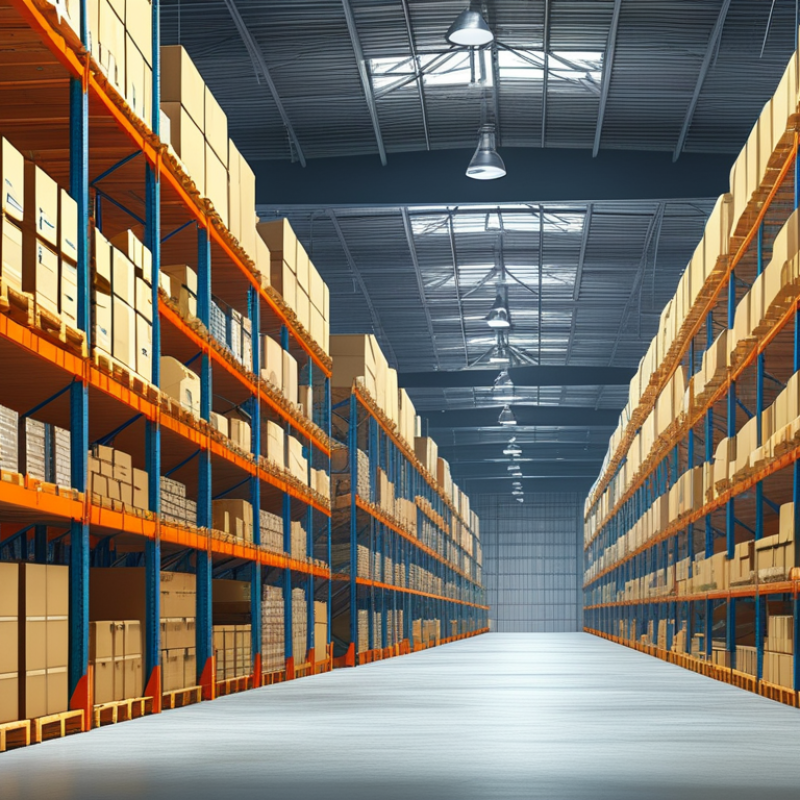
Racking systems are essential in various industries for storing materials efficiently. They consist of vertical frameworks that hold shelves or pallets. Unlike conventional shelving, racking can handle heavier loads, making it suitable for warehouses and distribution centers. The primary purpose of racking is to optimize space and enhance organization. This allows businesses to access inventory quickly.
Understanding racking involves recognizing its diverse types. Selective, drive-in, and pallet flow racking are popular choices. Each type addresses specific storage needs, such as maximizing density or accessibility. However, not all racking systems are ideal for every situation. Companies must consider their unique operations and space availability. Sometimes, businesses may rush to choose a racking solution without sufficient analysis.
Choosing the right racking system is crucial. An unsuitable design can lead to inefficiencies and safety hazards. Proper installation and maintenance are also vital. Rotating stock and inspecting for wear can prevent accidents and maintain reliability. Reflecting on these aspects improves overall performance. The goal is to create a safe and efficient storage environment.
: Racking systems are frameworks that hold shelves or pallets for efficient material storage.
Racking can support heavier loads and optimize space better than shelving in industrial settings.
Common types include selective, drive-in, and pallet flow racking, each serving unique storage needs.
Evaluate your storage needs, including the volume and weight of items, and available space.
Proper installation is crucial; poor design can lead to inefficiencies and safety risks.
Regularly inspect for wear and rotate stock to prevent accidents and ensure reliability.
Racking installation is complex and may often require professional help compared to shelving.
Shelving is better for smaller, lighter items, while racking suits heavy loads and larger spaces.
Companies often rush into racking choices without thoroughly analyzing their specific needs and space.
It's important to select a system that can adapt with inventory changes to prevent future issues.
In the discussion of "what is the difference between racking and shelving," it is essential to understand the distinct definitions and purposes of both storage systems. Racking typically involves heavier-duty structures designed for industrial and commercial environments, allowing for the vertical storage of goods and optimizing space efficiency. On the other hand, shelving is often utilized for lighter loads and is common in retail and residential settings, focusing more on accessibility and organization.
Key differences stem from their design and functionality: racking provides greater weight capacity and is ideal for bulk storage, while shelving is better suited for displaying products or keeping items readily available. Each system has its unique advantages, making it crucial for businesses and individuals to assess their specific storage needs to choose the right solution effectively.

 Boksera Shelving