How to Identify Safety Standards for Warehouse Storage Systems?

Time:2026-05-28 Author:Charlotte
0%

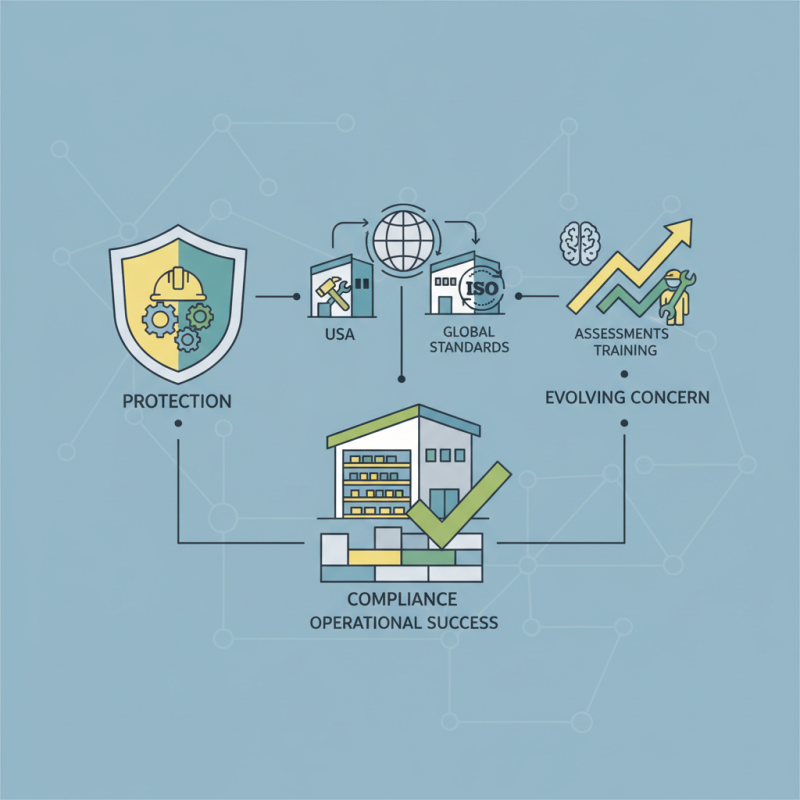
Identifying safety standards for warehouse storage systems is crucial for effective operations. Proper adherence to safety regulations protects employees and assets. The question arises: what safety standards apply to warehouse storage systems? This understanding is not just a regulatory obligation; it is a commitment to fostering a safe working environment.

Different standards exist globally. Organizations may struggle with compliance. The OSHA guidelines in the United States are vital. They cover various aspects, including the design and construction of storage systems. Additionally, the International Organization for Standardization (ISO) offers frameworks that aid companies in meeting safety standards. These standards may vary, and adaptations are sometimes necessary.

It's important to recognize that safety is an evolving concern. As technologies and warehouse designs develop, safety protocols must adapt. Businesses should consider regular assessments and training. This proactive approach can reveal gaps in compliance. Ultimately, a focus on safety within warehouse storage is essential for operational success and employee wellbeing.
How to Identify Safety Standards for Warehouse Storage Systems?

Understanding the Regulatory Framework for Warehouse Safety Standards

Understanding the regulatory framework for warehouse safety standards is crucial for any storage operation. Each country has specific regulations that govern safety in warehouses. These regulations cover aspects like fire safety, structural integrity, and equipment usage. Familiarizing yourself with these guidelines is essential to ensure compliance.

Tips: Regularly review local safety regulations. This helps keep your operation aligned with updated standards and practices.

Awareness of organizations that define safety standards is vital. They provide frameworks that can guide warehouse operations. Ensure your team is trained to act according to these standards. This proactive approach can prevent accidents and injuries.

Tips: Conduct routine safety audits. They help identify gaps in compliance and provide insights for improvements.

Many warehouses face challenges in implementing these standards. Often, staff may overlook safety procedures. This can lead to accidents or inventory losses. Constant training and reinforcement of safety practices are necessary to foster a safety-first culture.

Warehouse Safety Standards Compliance by Region

Key Organizations Involved in Warehouse Safety Regulations

When it comes to warehouse safety, several key organizations play vital roles in shaping regulations. The Occupational Safety and Health Administration (OSHA) is one of the primary bodies that sets safety standards. Their guidelines help ensure both employee safety and effective storage practices. Compliance with OSHA standards is crucial for minimizing workplace hazards.

In addition to OSHA, the National Fire Protection Association (NFPA) outlines fire safety regulations specific to warehouses. Their codes cover everything from fire suppression systems to proper aisle widths for emergency access. Following these criteria can help prevent fire-related incidents that may jeopardize lives and property.

While these organizations provide clear guidelines, it's essential to consider local regulations. Different regions may have specific requirements that complement or differ from national standards. Regular consultations with safety professionals can ensure that your warehouse adheres to the most current regulations. This attention to detail is necessary for maintaining a safe working environment.

Common Safety Standards Relevant to Warehouse Storage Systems

When considering safety standards for warehouse storage systems, several key aspects come into play. The Occupational Safety and Health Administration (OSHA) provides guidelines to ensure a safe work environment. Understanding these regulations is essential for warehouse managers. Fire safety codes are another critical area. They dictate how to store flammable materials and ensure accessibility to emergency exits.

Tips: Regularly review safety guidelines. Conduct audits to ensure compliance. Encourage workers to report safety hazards immediately.

Moreover, load capacity standards must be adhered to. This guarantees that shelving and racks can bear the weight of stored goods. Overloading can lead to catastrophic failures. Inspect equipment regularly for signs of wear and tear. Enhanced training for employees on proper lifting techniques can prevent injuries and encourage a safer workplace.

Tips: Involve employees in safety meetings. Provide resources for safe lifting practices. Make learning about safety a continuous process.

Fostering a culture of safety means prioritizing these standards consistently. Understanding the implications of neglecting these guidelines can lead to serious consequences. It’s essential to take every precaution possible for a well-functioning and safe warehouse environment.

Best Practices for Assessing Compliance with Safety Standards

Assessing compliance with safety standards in warehouse storage systems is crucial. A report by the Occupational Safety and Health Administration (OSHA) reveals that inadequate safety measures contribute to over 90,000 warehouse injuries annually. This highlights the importance of a proactive approach to safety assessments. Regular inspections of shelving units, pallet racks, and equipment are essential. Inspectors should focus on structural integrity, load capacities, and visible wear and tear.

Implementing a checklist can streamline safety assessments. Ensure that storage systems are not overloaded, as exceeding capacity is a common issue. Training employees on safe practices is also vital. According to the National Safety Council, organizations that invest in safety training reduce accident rates by up to 30%. Nevertheless, many warehouses struggle to maintain consistent compliance due to varying levels of employee engagement.

Furthermore, staying updated with evolving safety regulations poses a challenge. Many organizations rely on outdated information, leading to gaps in compliance. Establishing a regular review system can help mitigate this risk. Regular training sessions and updates can also foster a culture of safety within the workforce. Balancing these elements can lead to safer warehouse environments, reducing potential hazards significantly.

Steps to Implementing Safety Standards in Warehouse Operations

Implementing safety standards in warehouse operations is critical. According to the Occupational Safety and Health Administration (OSHA), more than 100,000 warehouse injuries occur each year. To create a safer environment, it's essential to establish comprehensive safety protocols.

Start with a thorough risk assessment. Identify potential hazards like uneven surfaces, improper shelving, and inadequate training. Engage employees in discussions. Their insights can pinpoint overlooked risks. Develop a detailed plan that addresses these issues. For instance, implementing clearly labeled walkways can reduce trips and falls by up to 40%, based on a National Safety Council report.

Training is another fundamental step. Provide hands-on sessions for staff on safely using equipment. Regular refresher courses can help maintain awareness of best practices. Additionally, invest in safety equipment. Protection gear should be readily accessible to all employees. This proactive approach not only enhances safety but also promotes a culture of accountability and vigilance within the warehouse.

FAQS

: Why is understanding warehouse safety regulations important?

: It's crucial for compliance and preventing accidents. Each country has specific regulations that must be followed.

How often should local safety regulations be reviewed?

Regular reviews help keep operations aligned with updated standards. This practice can avoid oversights.

What can lead to safety procedure neglect in warehouses?

Staff may overlook safety practices due to lack of training or awareness. Constant reinforcement is necessary.

What organizations set standards for warehouse safety?

Various organizations shape regulations, including those focused on fire safety and employee protection.

What role does employee training play in warehouse safety?

Training helps staff utilize equipment safely and reinforces best practices. Regular sessions are essential for ongoing awareness.

How can a risk assessment improve warehouse safety?

It helps identify hazards like uneven surfaces. Engaging employees provides insights on overlooked risks.

What is one effective measure to reduce trips and falls?

Clearly labeled walkways can reduce incidents significantly. This change may lower accidents by up to 40%.

Why is consulting safety professionals necessary?

They ensure compliance with local regulations and current safety standards. Attention to detail is vital for a safe environment.

How can safety equipment promote a culture of accountability?

Accessibility of protective gear encourages employees to prioritize safety. It builds a collective sense of responsibility.

What common mistakes should warehouses avoid?

Neglecting regular safety audits and failing to engage employees can lead to serious issues. Awareness and constant training are key.

Conclusion

Understanding safety standards for warehouse storage systems is crucial for ensuring operational efficiency and employee safety. Organizations responsible for establishing these standards often work within a regulatory framework that outlines specific requirements and procedures. Key organizations involved in warehouse safety regulations help define common safety standards that apply to warehouse storage systems, such as proper racking systems, load limits, and safety protocols for materials handling.

To ensure compliance with these standards, it is essential for warehouse operators to adopt best practices for assessing their operations. This includes regular audits, employee training, and the development of safety protocols that align with identified regulations. By taking systematic steps to implement these safety standards in warehouse operations, businesses can create a safer work environment while also enhancing their overall operational effectiveness. Ultimately, understanding what safety standards apply to warehouse storage systems is a fundamental aspect of maintaining a compliant and safe warehousing environment.

Charlotte

Charlotte

Charlotte is a seasoned marketing professional with a deep understanding of the company's portfolio and a passion for elevating its presence in the market. With a keen eye for detail and a commitment to excellence, she ensures that our professional blog is regularly updated with insightful articles......