How to Organize Warehouse Inventory for Maximum Efficiency?

Time:2026-05-13 Author:Mason
0%

Efficiently organizing warehouse inventory is crucial for maximizing productivity. Many businesses struggle with this aspect, leading to chaos and delays. Understanding how to organize inventory in a warehouse efficiently is essential. A well-structured inventory system can streamline operations and reduce costs.

Many warehouses face clutter and disorganization. This can slow down picking times and increase errors. Implementing effective strategies is not always straightforward. It requires careful planning and continual assessment. Observing how items are stored and accessed is vital. Regularly reviewing inventory organization helps identify areas for improvement.

Utilizing technology can aid in organizing inventory. Barcode systems and inventory management software enhance visibility. However, these tools need proper training for staff. Overreliance on technology without understanding basics can create gaps. Striking a balance between innovation and foundational practices can lead to greater efficiency.
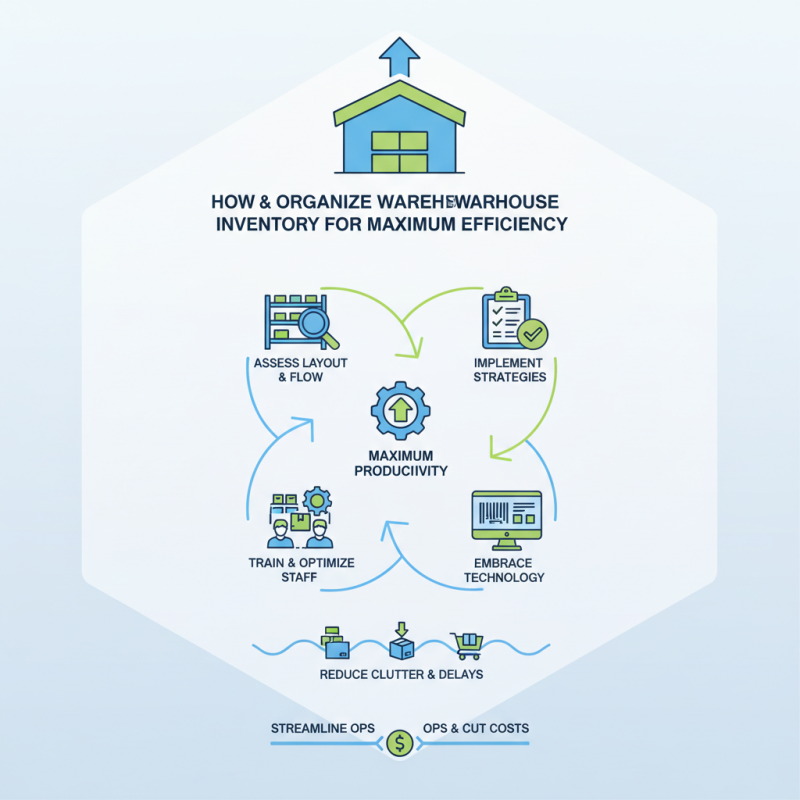
How to Organize Warehouse Inventory for Maximum Efficiency?

Assessing Current Warehouse Inventory Practices and Layout

Assessing current warehouse inventory practices and layout is crucial for enhancing efficiency. Begin by analyzing how items are stored. Are frequently accessed items in hard-to-reach locations? This can slow down operations. Often, unexpected bottlenecks emerge because of misplaced items. Organizing products logically can prevent these delays.

A well-organized warehouse layout allows for smooth movement. Clearly marked aisles and designated storage spaces are essential. Nevertheless, many warehouses suffer from clutter. Maintenance of order is sometimes overlooked, resulting in inefficiency. Regular checks on inventory levels can minimize overstock and stockouts.

Consider implementing a systematic approach like FIFO (First In, First Out). This method can enhance stock rotation. However, some may find it challenging to adapt to new practices. Change is hard, and resistance can occur. A simple layout review could unveil opportunities for improvement. Create a feedback loop with staff to gather insights on potential challenges they face.

Identifying Key Inventory Categories and Product Groupings

Effectively organizing warehouse inventory is crucial for enhancing efficiency. One fundamental approach is to categorize inventory into key groups. The ABC analysis method suggests classifying items into three categories: A (high-value items), B (moderate-value items), and C (low-value items). Research indicates that around 20% of products often account for 80% of inventory costs. Understanding this can direct focus where it matters most.

Another method involves product groupings based on similarities in size, weight, or usage frequency. For instance, frequently picked items should be placed near the shipping area. Studies show that optimizing picking routes can reduce travel time by up to 30%. This not only accelerates order fulfillment but also improves overall warehouse flow.

It's important to evaluate inventory performance regularly. Inventory turnover ratio is a key metric, and ideally, it should be above the industry average of 5. A lower ratio can indicate overstocking or ineffective inventory practices. Utilizing technologies like warehouse management systems can help track these metrics and suggest improvements. Reflecting on these practices can reveal weaknesses in the organization and pave the way for increased efficiency.

Implementing Efficient Space Utilization Techniques

Implementing efficient space utilization techniques is vital for optimal warehouse inventory organization. Maximizing vertical space is a key strategy. Using shelving units that reach to the ceiling can create more storage opportunities. However, this approach may require careful planning to ensure safe access to all items. Inadequate space management can lead to safety hazards or inventory loss.

Labeling is another critical technique. Clear labels help workers quickly locate items. This reduces search time and boosts productivity. Yet, not having a standardized labeling system may cause confusion. Employees might misplace items, leading to delays. Regular audits of labels and locations ensure continued efficiency.

Incorporating technology can also enhance space utilization. Using inventory management software helps schedule and track stock levels. However, reliance on technology can pose risks if systems fail. Investing in staff training mitigates these risks. Employees equipped with proper knowledge can adapt quickly during any tech outage. Combining these techniques can lead to a more organized and efficient warehouse environment.

Warehouse Inventory Organization Techniques

This bar chart illustrates various warehouse inventory organization techniques along with their efficiency ratings. Strategies such as FIFO (First In First Out) and Batch Picking rank higher in effectiveness compared to others, indicating a need for optimized methods to enhance space utilization and operational efficiency.

Establishing Inventory Management Systems and Software

Establishing effective inventory management systems and software is crucial for warehouse efficiency. A report by the Warehousing Education and Research Council (WERC) indicates that streamlined inventory processes can reduce operational costs by up to 30%. Many businesses fail to invest in the right technology, leading to disorganization and inefficiency. A proper system can help track inventory levels in real-time, minimizing the risk of overstocking and stockouts.

Modern inventory management software offers features like barcode scanning, automated updates, and detailed reporting. According to a study by Logistics Management, companies using advanced software solutions experience a 20% increase in accuracy. However, some warehouses still rely on outdated methods, risking errors and delays. Regular training for staff on these systems is essential to fully leverage their capabilities.

Though technology plays a significant role, human elements are often overlooked. Employees may resist adopting new systems. Encouraging a culture of adaptability can ease this transition. Continuous evaluation of both technology and processes can lead to discoveries of what truly works. Balancing automation and human oversight remains a challenge for many.

Training Staff on Best Practices for Inventory Handling

Training staff on best practices for inventory handling is crucial for warehouse efficiency. According to a study by the Warehousing Education and Research Council, companies that invest in training see a 30% increase in productivity. Proper training reduces errors and minimizes disruptions. Employees who understand inventory management techniques can identify and resolve issues swiftly.

Clear communication is essential. Staff should be trained to categorize inventory accurately. The ABC analysis method is effective in prioritizing items based on their importance. Approximately 70% of warehouse inefficiencies stem from unclear processes. Regular training sessions can help address this. Employees should also be encouraged to provide feedback. This not only empowers them but helps improve training methods based on real-world challenges.

Utilizing technology can enhance training efforts. Implementing inventory management software promotes standardized procedures. However, outdated systems can lead to frustration. Staff might struggle with new technology, which highlights the need for ongoing support. Providing resources and refreshers will build confidence in employees. A well-trained team is a significant asset in maximizing warehouse inventory efficiency.

How to Organize Warehouse Inventory for Maximum Efficiency?

Item ID Item Name Category Quantity Location Last Updated
101 Widget A Gadgets 250 Aisle 3 2023-10-01
102 Gadget B Gadgets 150 Aisle 2 2023-10-02
103 Tool C Tools 75 Aisle 1 2023-10-03
104 Accessory D Accessories 300 Aisle 4 2023-10-04

FAQS

: Why is inventory management important?

: Effective inventory management is crucial for reducing operational costs and improving warehouse efficiency.

How can technology improve inventory management?

Advanced software solutions enhance accuracy, streamline processes, and offer real-time tracking of inventory levels.

What happens if a business avoids technology investment?

Without technology, businesses may face disorganization, inefficiency, errors, and higher operational costs.

What is the role of employee training in inventory handling?

Proper training reduces errors, increases productivity, and allows staff to resolve issues quickly.

What common challenges do warehouses face?

Many face unclear processes and resistance to adapting new systems among employees.

How can staff feedback influence inventory practices?

Encouraging feedback empowers staff and can lead to improved training methods and processes.

Why should ongoing support be provided during training?

Ongoing support builds employees' confidence and helps them adapt to new systems effectively.

What are some features of modern inventory software?

Features include barcode scanning, automated updates, and detailed reporting to aid inventory management.

How does categorizing inventory improve efficiency?

Accurate categorization helps prioritize items, reducing inefficiencies and optimizing inventory handling.

Is a mix of automation and human oversight beneficial?

Yes, finding the right balance can enhance operations while addressing potential workflow challenges.

Conclusion

Organizing inventory in a warehouse efficiently is crucial for optimizing operations and improving productivity. The first step involves assessing current warehouse inventory practices and layout to identify inefficiencies. Once the existing setup is evaluated, key inventory categories and product groupings should be identified, allowing for a more logical organization of items that enhances accessibility and reduces picking time.

Implementing efficient space utilization techniques can further bolster warehouse efficiency, ensuring that every square foot is maximized for storage or movement. Establishing robust inventory management systems and software is essential for tracking stock levels, facilitating reordering, and providing real-time insights into inventory status. Lastly, training staff on best practices for inventory handling ensures that everyone is aligned with the organizational strategies, leading to a smoother workflow and higher overall efficiency in warehouse operations.

Mason

Mason

Mason is a seasoned marketing professional with a deep expertise in the company's offerings and a passion for driving brand awareness. With a strong background in digital marketing strategies, he has an innate ability to connect with diverse audiences and effectively communicate product benefits.......