In today's rapidly evolving business landscape, understanding what industries benefit most from advanced warehouse storage is crucial. Companies across various sectors are recognizing the advantages of modernized storage solutions. These innovations not only optimize space but also enhance operational efficiency.
For instance, the e-commerce sector thrives on swift order fulfillment. Advanced warehouse systems allow for real-time inventory tracking and faster processing. Similarly, the manufacturing industry benefits from streamlined supply chains, reducing downtime. Even healthcare organizations see improvements in inventory management, ensuring critical supplies are always accessible.
However, not all industries have adopted these technologies effectively. Some small businesses struggle to implement advanced warehousing due to cost or lack of expertise. As industries continue to explore these advanced solutions, identifying barriers and opportunities will be essential for growth and sustainability. By analyzing which sectors gain the most from these innovations, we can better understand the future of logistics and storage.
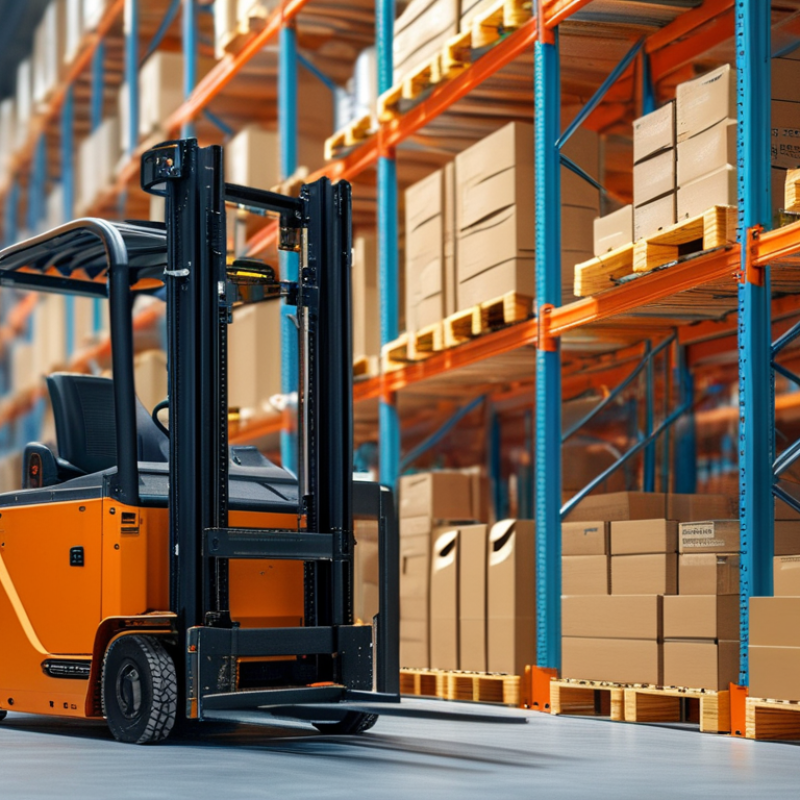
The rise of advanced warehouse storage solutions is reshaping various industries. E-commerce is a prime example. Online retailers require efficient spaces for inventory. Automation plays a vital role here. Robots can navigate narrow aisles, maximizing storage. High-tech systems improve picking accuracy, impacting delivery speed. This speed is crucial for customer satisfaction.
The food and beverage sector is also embracing these innovations. Temperature-controlled environments are essential for perishable goods. Advanced systems help in tracking inventory levels. Real-time data ensures stocks are replenished efficiently. However, challenges in implementation remain. Training staff on new technologies can be demanding. Adapting to the rapid changes requires significant investment.
Pharmaceutical industries are not left behind. They rely on secure storage for sensitive products. Advanced solutions minimize human error, ensuring compliance with regulations. Yet, dependency on technology can lead to vulnerabilities. Outages or system failures pose risks. It’s a delicate balance that these sectors must navigate, pushing them to innovate while considering potential setbacks.
| Industry | Warehouse Storage Technology | Benefits | Projected Growth Rate (%) |
|---|---|---|---|
| E-commerce | Automated Picking Systems | Increased efficiency and reduced order fulfillment time | 18 |
| Pharmaceuticals | Temperature-controlled Storage | Enhanced product safety and compliance | 12 |
| Retail | Inventory Management Software | Improved stock visibility and tracking | 10 |
| Food and Beverage | Automated FIFO Systems | Minimized waste and optimized shelf life | 15 |
| Manufacturing | Robotic Storage Solutions | Increased throughput and reduced labor costs | 20 |
: E-commerce, food and beverage, and pharmaceuticals are key industries adopting these innovations.
Automation enhances efficiency, allowing robots to navigate tight spaces while improving picking accuracy and delivery speed.
High initial costs and significant training demands can make adaptation difficult for many companies.
These environments are crucial for preserving perishable goods, ensuring quality and safety in food and drink sectors.
Maintaining a balance between technology and human oversight helps reduce vulnerability to system failures and outages.
Investing in employee training and support encourages better adaptation and implementation of advanced systems.
The growth of e-commerce creates a need for faster, more flexible storage solutions to meet consumer expectations.
Data analytics optimize inventory levels, improve decision-making, and reduce waste, but can also lead to over-reliance on technology.
Integration issues and increased complexity can arise, making careful evaluation of needs vital before implementation.
Embracing innovation while assessing both costs and benefits will help ensure long-term success and adaptability in operations.
As we look ahead to 2026, the question arises: what industries benefit most from advanced warehouse storage? Various sectors, particularly e-commerce, retail, and logistics, are increasingly leveraging sophisticated storage solutions to enhance their operational efficiency. The surge in e-commerce has driven a heightened demand for innovative warehousing practices, as companies strive to meet consumer expectations for speed and reliability.
Technological advancements, including automation and data analytics, are revolutionizing warehousing efficiency by optimizing inventory management and order fulfillment processes. Additionally, sustainability trends are shaping warehouse management, with practices aimed at reducing waste and energy consumption becoming more prevalent. Overall, the future outlook for advanced warehouse storage technologies suggests that industries embracing these innovations will not only improve their performance but also contribute to more sustainable operations.

 Boksera Shelving