Why is Warehouse Layout Key to Successful Operations?

Time:2026-08-15 Author:Oliver
0%

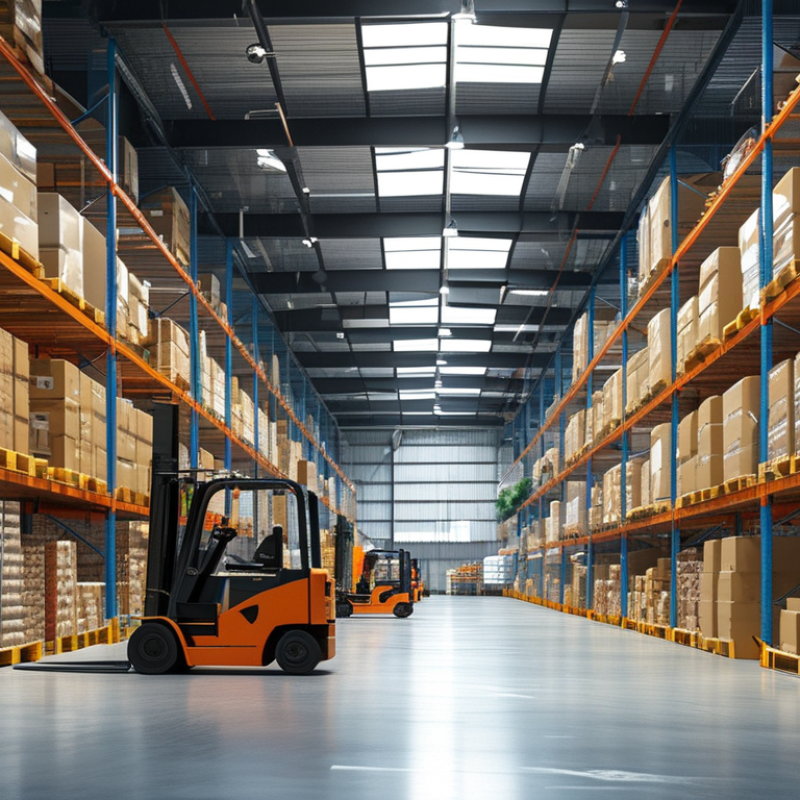
The layout of a warehouse plays a crucial role in its overall efficiency. Understanding why warehouse layout is important for operations can lead to significant improvements. A well-planned layout optimizes space, reduces handling time, and increases productivity.

In busy warehouses, every inch counts. An effective layout ensures that items are easily accessible. This reduces the time spent searching for products. It can also minimize the distance traveled by workers. Such advantages contribute to smoother operations, ultimately leading to happier employees and satisfied customers.

However, not all layouts work perfectly for every business. Some companies may find their initial designs flawed. Continuous assessment and adjustments are necessary. Oversights in spacing and workflow can lead to bottlenecks. Reflecting on these challenges is vital for ongoing success.
Why is Warehouse Layout Key to Successful Operations?

Warehouse Layout: Understanding Its Impact on Efficiency and Productivity

Warehouse layout plays a crucial role in determining efficiency and productivity. Studies show that an optimized layout can enhance picking speed by 25% or more. A well-structured space reduces travel time for workers, allowing them to fulfill orders quickly. For example, placing frequently picked items near packing stations minimizes unnecessary movement. This strategic placement can significantly cut down labor costs.

Moreover, inefficient layouts can lead to longer lead times and increased operational errors. Research by the Warehousing Education and Research Council indicates that 70% of warehouses do not utilize space effectively. Poor utilization can lead to overcrowding and confusion. When workers struggle to find products, mistakes often follow. Creating designated areas for various tasks helps streamline operations.

Reflecting on layout design is essential. Many warehouses might overlook the importance of employee input in creating practical designs. Workers often have firsthand knowledge of bottlenecks, yet their feedback may go unconsidered. Organizations should prioritize continuous assessment, adjusting layouts based on actual performance metrics rather than static theories. Embracing flexibility in design can lead to ongoing improvements and heightened productivity.

Key Components of Effective Warehouse Layout Design

Effective warehouse layout design plays a crucial role in streamlining operations. It enhances efficiency and reduces costs. One key component is strategic placement of storage areas. High-demand items should be easily accessible. This minimizes travel time for warehouse staff. Utilizing vertical space also maximizes storage capacity.

Consider the flow of goods. An efficient layout facilitates smooth movement from receiving to shipping. A well-designed warehouse eliminates bottlenecks. This ensures faster order fulfillment. Regularly assess your layout. Adapt it to changing inventory needs and order volumes.

Tips: Use color-coded labels for easy identification. Implement a clear signage system. Regular employee feedback can reveal layout issues. Ensure that paths are wide enough for machinery. Adjust lighting for better visibility. All these details improve overall functionality.

How Warehouse Layout Affects Inventory Management and Accessibility

A well-designed warehouse layout can significantly enhance inventory management and accessibility. Efficient layouts reduce the time spent searching for items. According to a report by the Warehousing Education and Research Council, optimizing warehouse space can improve picking productivity by up to 25%. This highlights the importance of organizing inventory effectively.

Accessibility is critical for smooth operations. A clear layout ensures easy navigation for staff. This can lower the time needed to fulfill orders. Research shows that nearly 30% of warehouse workers' time is wasted on walking due to ineffective layout design. By reevaluating aisle widths and item placements, operations can become more efficient.

Tip: Regularly assess your warehouse layout and make adjustments based on changing inventory levels. Consider implementing technology like RFID for better tracking. Continuous reflection on layout efficiency can lead to significant improvements in overall performance. Remember, an adaptable layout is key to staying competitive.

Why is Warehouse Layout Key to Successful Operations?

Dimension Impact on Inventory Management Impact on Accessibility
Storage Density Maximized space usage helps reduce excess inventory. Higher density can create challenges in retrieving items.
Aisle Width Narrow aisles may limit access to some inventory. Wider aisles facilitate easier movement and picking.
Shelving Type Adjustable shelving allows flexibility in inventory management. Single deep shelves can be harder to access.
Workstation Location Strategically placed workstations improve processing speed. Centralized locations enhance accessibility for staff.
Flow Design Optimized flow reduces bottlenecks in inventory handling. Clear paths enhance accessibility for forklifts and personnel.

The Role of Technology in Optimizing Warehouse Layout Strategies

The role of technology in optimizing warehouse layout strategies cannot be overstated. Advanced software solutions provide real-time analytics. These tools help managers understand product flow and space utilization. This data-driven approach promotes efficiency and reduces operational costs. Warehouse management systems (WMS) also facilitate better inventory tracking. They allow for precise placements, ensuring faster retrieval times.

Moreover, automation plays a key part in layout optimization. Automated guided vehicles (AGVs) can move products without human intervention. They follow optimal paths within the warehouse. This tech reduces congestion. However, implementation may not be seamless. There can be employee resistance and high initial costs. Continuous training and support are essential.

Integrating IoT technology further enhances warehouse operations. Smart sensors can monitor environmental conditions. This is critical for sensitive products. Yet, reliance on digital systems requires a robust cybersecurity framework. Potential vulnerabilities may arise. Regular audits should be conducted to assess risks. Balancing technology with human oversight remains crucial.

Warehouse Layout Optimization Impact on Operational Efficiency

Analyzing Industry Data: Performance Metrics Linked to Warehouse Layout

Warehouse layout plays a vital role in operational efficiency. An effective design minimizes travel time for workers and maximizes storage space. When analyzing industry data, companies see clear correlations between layout and performance metrics. For instance, warehouses with optimized layouts often report 20% faster order fulfillment. This is significant, especially during peak seasons when every second counts.

However, it's essential to recognize that not all layouts work for every business. Every warehouse has unique challenges and needs. For example, a highly automated facility may require different spacing and configuration compared to a manual operation. Companies often fail when they apply a one-size-fits-all layout. Evaluating specific performance metrics can help identify strengths and weaknesses in warehouse design.

Data shows that poor layout choices can lead to increased picking errors and higher labor costs. This emphasizes the importance of continuous assessment. Regularly revisiting layout strategies, particularly in response to changing inventory patterns, can yield impressive results. Therefore, a thoughtful approach to warehouse layout is crucial for sustained operational success.

FAQS

: How does warehouse layout impact efficiency?

: A good warehouse layout can enhance picking speed by 25% or more.

What happens with inefficient layouts?

Inefficient layouts lead to longer lead times and more operational errors.

Why is employee input important in layout design?

Employees understand bottlenecks well, yet their feedback is often overlooked.

How can layout affect inventory management?

A clear layout reduces searching time, thus improving inventory management.

What is a common time-wasting issue in warehouses?

Nearly 30% of workers' time is wasted on walking due to bad layouts.

How can technology assist in warehouse layout?

Implementing RFID technology can improve tracking and layout efficiency.

Why should layouts be regularly assessed?

Regular assessments account for changing inventory levels and improve performance.

Can one layout fit all warehouses?

No, every warehouse has unique challenges that must be considered.

What can poor layout choices lead to?

Poor choices can result in increased picking errors and higher labor costs.

How can flexibility in design benefit a warehouse?

An adaptable layout allows for ongoing improvements and sustained productivity.

Conclusion

Warehouse layout plays a crucial role in successful operations as it directly impacts efficiency and productivity. A well-designed warehouse layout minimizes unnecessary movement, optimizes space utilization, and enhances workflow, which in turn improves overall operational performance. Key components of effective warehouse layout design include proper zoning for different activities, strategic placement of inventory, and ensuring accessibility to essential areas.

Understanding "why is warehouse layout important for operations" also involves recognizing its influence on inventory management. An efficient layout ensures that products are easily accessible, which facilitates quicker picking and packing processes. Additionally, technology has become integral in optimizing warehouse layout strategies, enabling real-time data analysis and automation to enhance performance metrics. Ultimately, a thoughtfully designed warehouse layout not only streamlines processes but also supports better inventory management and accessibility, leading to improved operational outcomes.

Oliver

Oliver

Oliver is a seasoned marketing professional with a wealth of expertise in driving brand awareness and engagement. With a deep understanding of our company's product offerings, he consistently delivers high-quality content that enriches our professional blog. His insights not only shed light on......