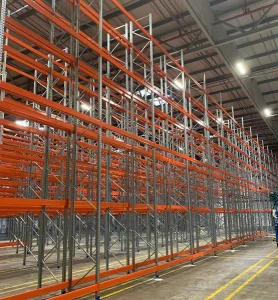
Engineered for heavy-duty operational efficiency, load capacity compliance, and scalable spatial configuration.
The global logistical network is undergoing a profound paradigm shift driven by volatile market demand, skyrocketing land valuations, and the relentless integration of automated systems. As industrial supply chains transition from historical "Just-in-Time" models to more resilient "Just-in-Case" frameworks, the density of pallet positions and operational velocity of distribution networks have emerged as core competitive differentiators. Freight storage systems are no longer passive steel assemblies; they are dynamic, load-bearing infrastructure nodes designed to integrate seamlessly with logistics software and robotics.
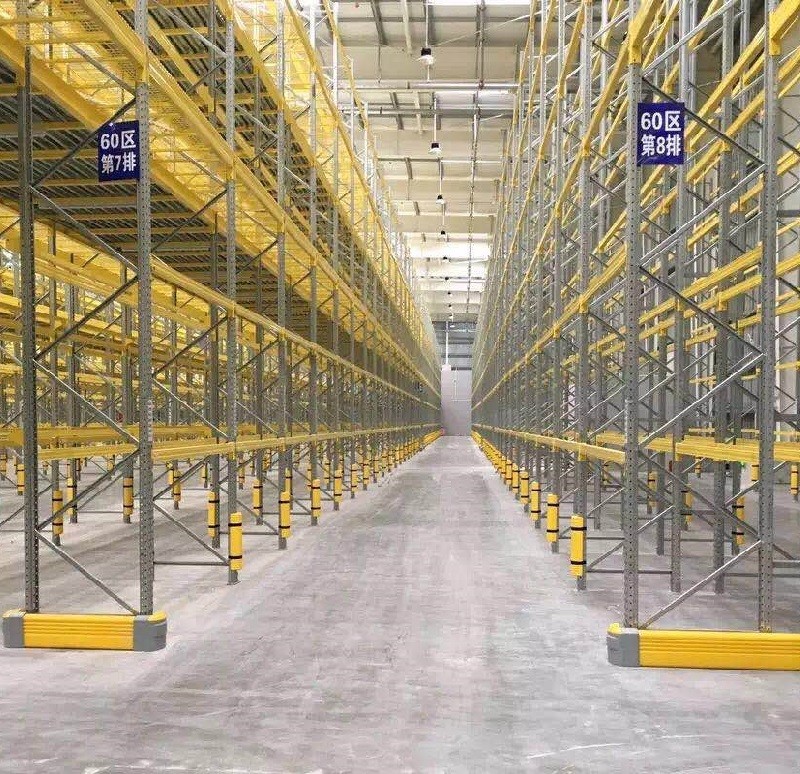
Current industrial research indicates that urban warehousing real estate rates have surged by up to 35% globally over the past three fiscal cycles. Consequently, global enterprise entities are forced to optimize spatial volume rather than floor footprint. Achieving high cube utilization through Vertical Storage Systems, automated VNA (Very Narrow Aisle) architectures, and dense multi-deep dynamic racking configurations is critical to keeping supply chains cost-effective.
Furthermore, decarbonization and environmental metrics dictate that modern facility designs minimize energy footprints. Integrated systems, such as automated multi-level cold storage arrays, utilize optimized structural racking to insulate products efficiently, avoiding empty volumes that waste cooling energy. High-density structures like radio shuttles allow for continuous operation with zero light conditions (dark warehouses), significantly dropping energy demands while optimizing throughput speeds.
How advanced cold-rolled steel technologies, structural calculations, and mechanical coatings guarantee high load tolerance and operational safety.
Using premium structural carbon steel (like Q235B and Q345B), cold-formed to maximize structural yield strength. This ensures superior resistance to structural deflection, elastic deformation, and mechanical shear stress under maximum weight loads.
Automated multi-stage pre-treatment, including pickling, phosphating, and heavy-duty electrostatic powder spraying. The result is a highly durable, corrosion-resistant surface that prevents oxidation in humid facilities and sub-zero cold room environments.
Engineered structural frame uprights and box beams with strict physical tolerances. Our systems are fully compatible with automated pallet-stacker cranes, robotic reach trucks, and high-speed WMS operations without misalignments.
Under structural standards (such as FEM 10.2.02 and RMI specifications), the maximum allowable deflection of a beam under uniform load is limited to L/200 (where L represents beam span length). Precision roll-formed beams from quality suppliers maintain limits well below this curve, ensuring dynamic machinery like ASRS stacker cranes can position heavy loads safely at elevations exceeding 30 meters.
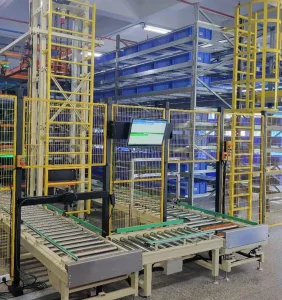
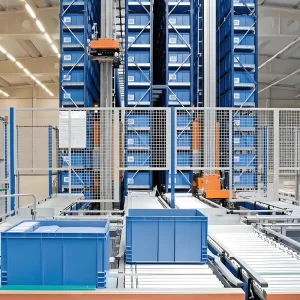
As logistics operations face persistent labor shortages and rising operating costs, human-centric warehousing is transitioning into automated execution. Integrated Intelligent Warehousing Systems utilize Automatic Storage and Retrieval Systems (AS/RS) alongside high-density Radio Shuttle Racking. These setups replace traditional human-driven reach trucks with programmable material transport systems.
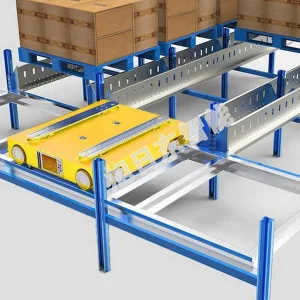
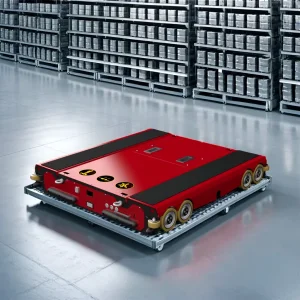
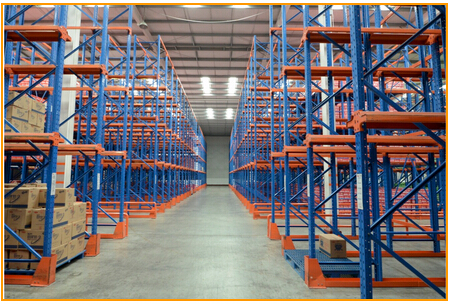
A typical Radio Shuttle system operates via an intelligent cart placed on structural rails inside a dense pallet storage lane. By utilizing a handheld remote control or integration with a Warehouse Management System (WMS), the shuttle executes transport commands, lifting and positioning pallets without requiring forklifts to enter the racking structure. This removes collision risk, minimizes frame damage, and drastically improves cycle speeds.
For operations with extremely high volume throughput, such as e-commerce fulfillment hubs or grocery distribution nodes, combining AS/RS with VNA layouts is highly effective. Stacker cranes travel along narrow rails with tolerances measured in millimeters, lifting heavy freight pallets to heights exceeding 35 meters. This structural scale requires manufacturing expertise to ensure that structural tolerances, alignment, and vertical plumb lines are maintained throughout the life of the system.
Logistics infrastructure must comply with national and local engineering safety codes. Sizing a storage rack requires careful analysis of dynamic, static, dead, wind, and seismic forces (particularly under structural seismic standards like Eurocode 8, US FEMA guidelines, or AS4084 in Australia). In high-risk earthquake zones, systems must utilize thicker base plates, heavy-duty anchors, and custom cross-bracing to absorb lateral forces and prevent progressive collapse.
To successfully export heavy industrial structures globally, suppliers must comply with regional environmental and safety regulations. These include CE marking for European markets, RMI standards in North America, and rigorous load testing certifications. High-quality systems undergo rigorous stress testing, simulating long-term fatigue, cyclic loads, and side impacts. This ensures that every installed bay operates safely for years without structural failure.
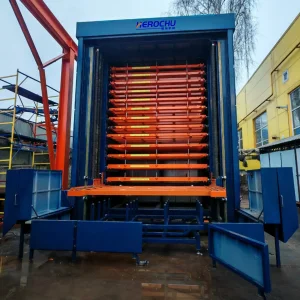
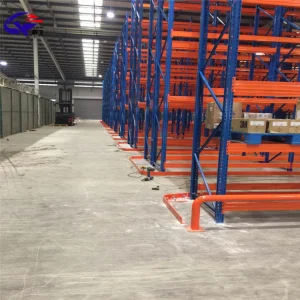
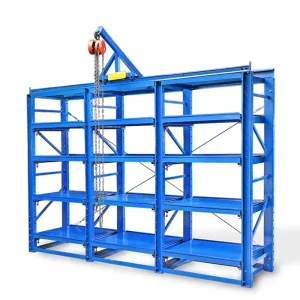
Explore high-capacity pallet racking, sheet metal storage units, and related auxiliary infrastructure components.
Crucial planning information, load calculations, and design guidelines for warehousing project managers.
Dongguan Boksera Shelving Co., Ltd. is a professional manufacturer and supplier specializing in heavy-duty warehouse storage racking and industrial shelving solutions. With a strong commitment to quality, innovation, and customer satisfaction, Boksera designs and produces reliable storage systems that help businesses maximize warehouse space, improve inventory management, and enhance operational efficiency.
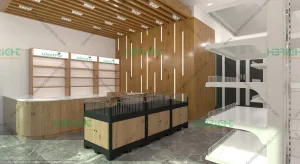
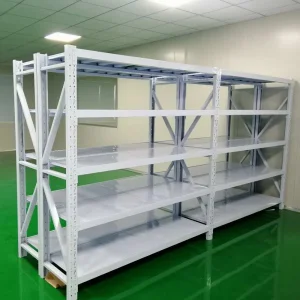
The company offers a wide range of storage solutions, including pallet racking systems, industrial shelving, and customized warehouse storage configurations tailored to meet the diverse needs of logistics centers, manufacturing facilities, retail distribution hubs, and e-commerce warehouses. Each product is engineered with durability and load-bearing performance in mind, ensuring safe and stable storage for various types of goods.
Backed by advanced manufacturing equipment and a skilled technical team, Boksera maintains strict quality control standards throughout the production process. The company is dedicated to delivering cost-effective solutions without compromising on performance or safety. In addition, Boksera provides professional consultation, layout design support, and after-sales service to ensure a seamless customer experience.
With growing international demand, Dongguan Boksera Shelving Co., Ltd. continues to expand its global presence, aiming to become a trusted partner for efficient, scalable, and high-quality warehouse storage solutions worldwide.
 Boksera Shelving