In the modern globalized supply chain, multinational enterprises, third-party logistics (3PL) giants, and mega-scale manufacturing hubs face unprecedented pressure to optimize space utilization while maintaining rigorous safety profiles. Procurement strategies have shifted from simple cost-per-pallet metrics to comprehensive Load Management Solutions. These solutions encompass structural integrity, dynamic load distribution, seismic resilience, and automated compatibility.
Global procurement officers require suppliers to deliver systems that adhere strictly to international structural codes such as the Rack Manufacturers Institute (RMI) standards in North America, and the FEM 10.2.02 regulations in Europe. The demand is not merely for steel frames, but for engineered systems capable of managing dynamic forces, preventing structural fatigue, and ensuring zero-downtime operations under continuous, high-throughput load cycles.
Furthermore, procurement mandates now prioritize scalability and adaptability. As e-commerce demands fluctuate, storage systems must support rapid reconfiguration, integration with automated guided vehicles (AGVs), and compatibility with advanced warehouse management systems (WMS) that track load positioning to optimize weight distribution across the physical infrastructure.
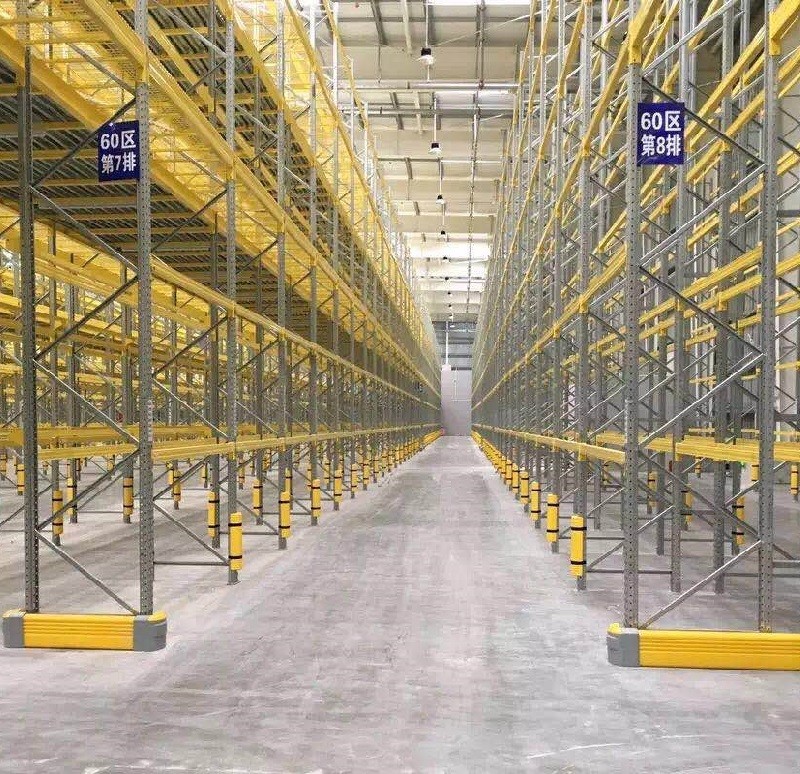
How modern industrial facilities leverage advanced structural load management to mitigate risks, reduce footprint, and maximize operational throughput.
Automated Storage and Retrieval Systems (ASRS) demand millimeter-level tolerances. Our load management solutions provide the structural rigidity required to prevent mast deflection and ensure seamless robotic interface operations under extreme weight profiles.
Utilizing advanced finite element analysis (FEA), we design racking systems with customized baseplates, heavy-duty anchors, and engineered bracing patterns to absorb and dissipate seismic energy, protecting inventory and personnel.
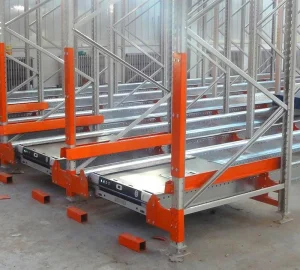
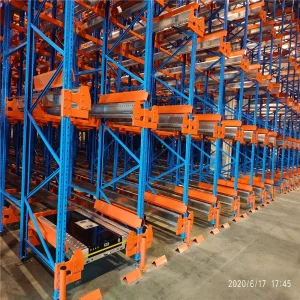
Integrating semi-automated radio shuttle systems allows for deep-lane storage. Our structural designs handle the localized dynamic wheel loads exerted by the shuttles, minimizing wear and structural fatigue over decades of continuous use.
"True load management is not just about holding weight; it is about controlling deflection, managing dynamic shear forces, and ensuring that the structural integrity of the warehouse remains uncompromised under all operational scenarios." — Boksera Engineering Team
The future of industrial load management lies in the convergence of physical metallurgy and digital intelligence. As we look toward the next decade, Boksera is pioneering research into smart racking systems embedded with real-time strain gauges and load sensors. These IoT-enabled structures communicate directly with the warehouse's digital twin, alerting facility managers to localized overloading, structural displacement, or seismic damage before a failure can occur.
Additionally, material science advancements are driving the development of high-strength, low-alloy (HSLA) steels that offer superior load-bearing capacities with reduced self-weight. This allows for taller, more slender rack profiles that maximize vertical space without sacrificing safety factors. Green steel initiatives and eco-friendly powder coating technologies are also being integrated into our production lines to meet the carbon-neutrality targets of our global enterprise clients.
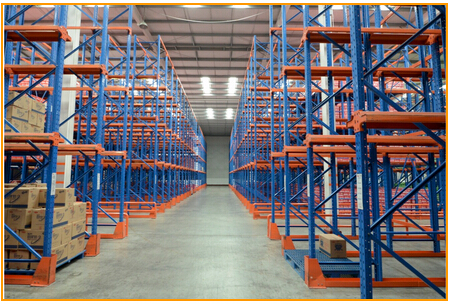
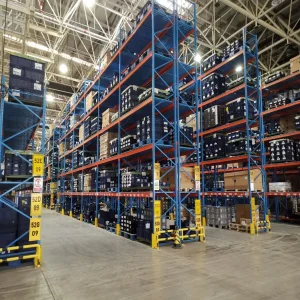
Industrial real estate costs have surged globally, forcing enterprises to build upward rather than outward. High-bay warehouses exceeding 30 meters in height are becoming the standard for new distribution centers. This vertical expansion amplifies the critical nature of structural load management. A minor alignment error or structural deflection at the base of a 30-meter rack can translate into catastrophic displacement at the top levels.
In regions like Europe and North America, strict labor safety laws and union regulations demand rigorous, documented inspections of storage structures. In emerging markets across Southeast Asia and Latin America, rapid e-commerce expansion is driving the modernization of traditional warehouses into high-density, automated hubs. As a global supplier, Boksera addresses these diverse regional needs by offering certified, high-performance systems that mitigate operational risks across all continents.
Dongguan Boksera Shelving Co., Ltd. is a professional manufacturer and supplier specializing in heavy-duty warehouse storage racking and industrial shelving solutions. With a strong commitment to quality, innovation, and customer satisfaction, Boksera designs and produces reliable storage systems that help businesses maximize warehouse space, improve inventory management, and enhance operational efficiency.
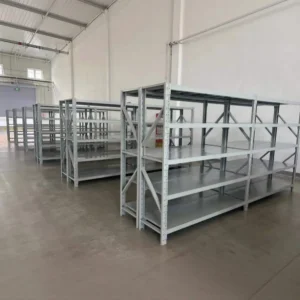
The company offers a wide range of storage solutions, including pallet racking systems, industrial shelving, and customized warehouse storage configurations tailored to meet the diverse needs of logistics centers, manufacturing facilities, retail distribution hubs, and e-commerce warehouses. Each product is engineered with durability and load-bearing performance in mind, ensuring safe and stable storage for various types of goods.
Backed by advanced manufacturing equipment and a skilled technical team, Boksera maintains strict quality control standards throughout the production process. The company is dedicated to delivering cost-effective solutions without compromising on performance or safety. In addition, Boksera provides professional consultation, layout design support, and after-sales service to ensure a seamless customer experience.
With growing international demand, Dongguan Boksera Shelving Co., Ltd. continues to expand its global presence, aiming to become a trusted partner for efficient, scalable, and high-quality warehouse storage solutions worldwide.
Deploying large-scale industrial racking requires strict adherence to local building codes, zoning laws, and safety regulations. Boksera provides comprehensive engineering support to ensure compliance with local jurisdictions. From seismic calculations in active fault zones to load capacity labeling required by local occupational health and safety administrations (such as OSHA in the United States or EU-OSHA in Europe), our team provides the necessary documentation, structural calculations, and stamped drawings.
Our global network of installation partners ensures that systems are erected according to precise engineering tolerances. We conduct post-installation audits and provide load capacity plaques that clearly define safe operating limits, shelf load limits, and maximum bay capacities, ensuring your facility remains compliant and safe for all operators.
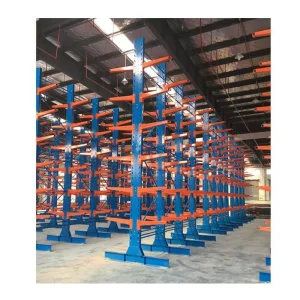
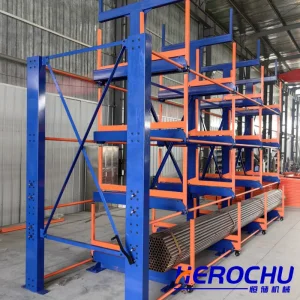
 Boksera Shelving