In the modern, fast-paced logistics ecosystem, spatial efficiency and inventory velocity are paramount. Dongguan Boksera Shelving Co., Ltd. is a professional manufacturer and supplier specializing in heavy-duty warehouse storage racking and industrial shelving solutions. With a strong commitment to quality, innovation, and customer satisfaction, Boksera designs and produces reliable storage systems that help businesses maximize warehouse space, improve inventory management, and enhance operational efficiency.
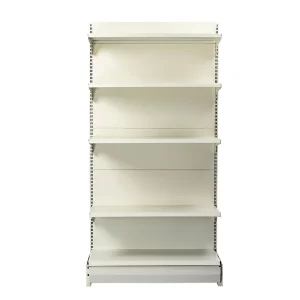
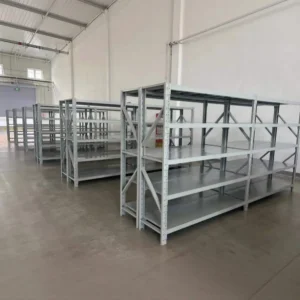
The company offers a wide range of storage solutions, including pallet racking systems, industrial shelving, and customized warehouse storage configurations tailored to meet the diverse needs of logistics centers, manufacturing facilities, retail distribution hubs, and e-commerce warehouses. Each product is engineered with durability and load-bearing performance in mind, ensuring safe and stable storage for various types of goods.
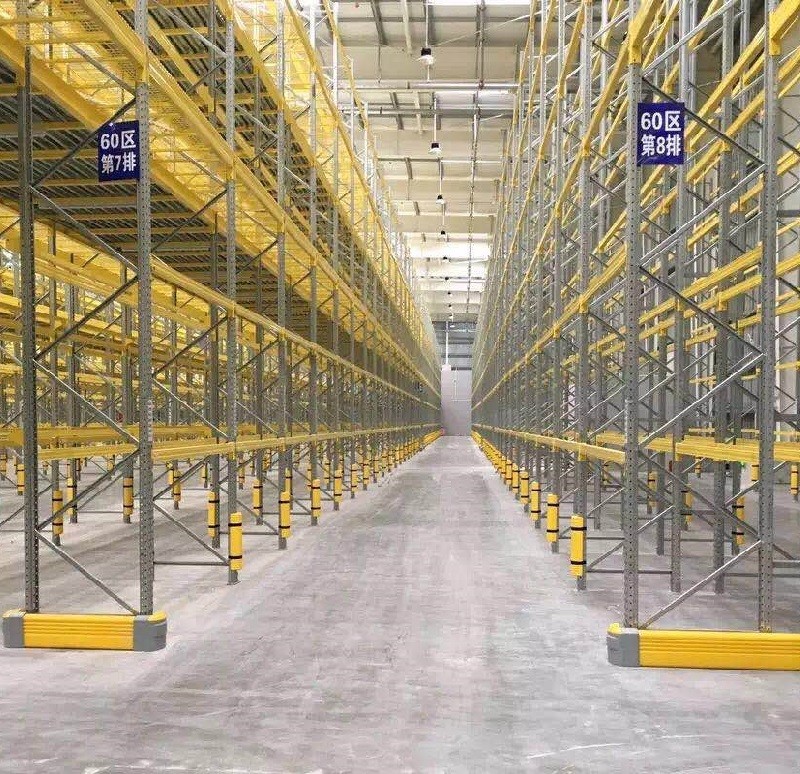
Backed by advanced manufacturing equipment and a skilled technical team, Boksera maintains strict quality control standards throughout the production process. The company is dedicated to delivering cost-effective solutions without compromising on performance or safety. In addition, Boksera provides professional consultation, layout design support, and after-sales service to ensure a seamless customer experience.
With growing international demand, Dongguan Boksera Shelving Co., Ltd. continues to expand its global presence, aiming to become a trusted partner for efficient, scalable, and high-quality warehouse storage solutions worldwide.
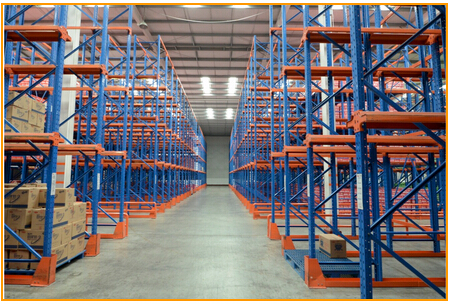
China has solidified its position as the epicentre of global industrial manufacturing, particularly in the structural steel fabrication and warehouse storage unit system sectors. This dominance is not simply a byproduct of competitive pricing; it is driven by a deep supply chain integration, technological refinement, and raw material access that is virtually unmatched anywhere in the world.
Exporting manufacturers in China utilize high-grade, certified structural steel, predominantly Q235B and Q355B grades. These materials have optimal tensile and yield strength profiles, allowing designers to minimize profile thickness without sacrificing structural load limits. This results in highly lightweight yet exceptionally strong racking components that conform strictly to BS, AS4084, and RMI load parameters.
Top China storage unit systems exporters leverage multi-station automated cold-roll-forming lines and robotic laser welding. By minimizing manual interventions, components like upright posts, beams, and diagonal bracing maintain dimension tolerances under ±0.5mm. This consistency guarantees straightforward, tool-free installation and perfect fitment in complex multi-tier configurations.
Industrial storage environments demand high durability. Chinese exporters execute exhaustive surface preparations, using multi-stage chemical washes (phosphate pre-treatments) followed by electrostatic epoxy-polyester powder coating. The resulting finish is highly resistant to impact, abrasion, moisture, and chemical exposure, extending operational life to over 15 years.
The logistics landscape is shifting rapidly due to e-commerce fulfillment pressures, SKU proliferation, and escalating real estate costs. Warehouse managers can no longer rely purely on static, low-density storage models. As a result, several macroeconomic trends are redefining the storage equipment ecosystem:
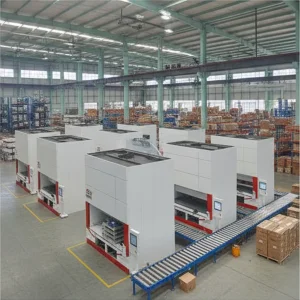
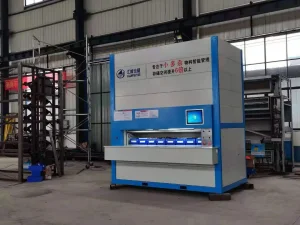
Land scarcity and warehouse footprint expenses have pushed space utilization to vertical extremes. Modern facilities are expanding their vertical envelope from conventional 6-meter heights to over 30 meters. This vertical scaling relies on AS/RS systems utilizing high-speed stacker cranes, shuttle platforms, and robotic dispatching. The structural integrity of the racking system underpins this automation. Because automated cranes operate on sub-millimeter clearances, the storage system must maintain exceptional rigidity and minimal deflection under load.
Corporations are aligning procurement practices with ESG (Environmental, Social, and Governance) parameters. Consequently, there is high demand for eco-friendly manufacturing methods. Exporters are shifting to VOC-free electrostatic powder coatings, implementing closed-loop water treatment systems in steel pretreatment phases, and engineering lighter, high-strength structural profiles that optimize steel consumption.
Supply chain disruptions require agility. Fixed, welded-in-place storage structures are being replaced by modular, bolt-free adjustable racking systems. These systems allow facilities to quickly alter beam heights, expand racking bays, or convert standard pallet configurations into carton-flow or pick-module setups without requiring heavy structural overhauls.
To help procurement managers match their operational profile to the correct racking system, the table below delineates key structural characteristics and use cases:
| Racking System Type | Space Utilization | Ideal Load Weight Range | FIFO/LIFO Compatibility | Primary Application Environments |
|---|---|---|---|---|
| Selective Pallet Racking | Medium (30-40% volume) | 500 - 3,000 kg / pallet | FIFO (First-In, First-Out) | General Warehousing, FMCG, Raw Materials |
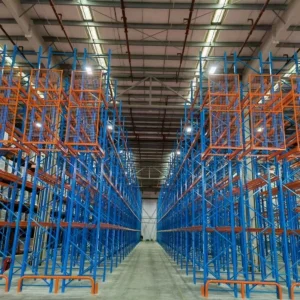
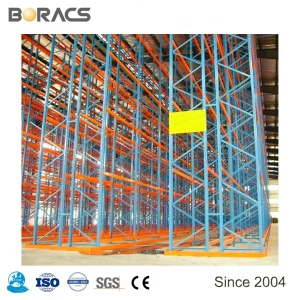
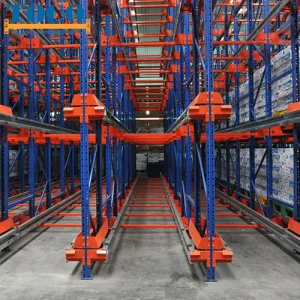
| Very Narrow Aisle (VNA) | High (60-70% volume) | 800 - 2,000 kg / pallet | FIFO | High-density archives, electronics, pharmaceuticals |
| Drive-In / Drive-Through | High (70-80% volume) | 500 - 1,500 kg / pallet | LIFO / FIFO | Cold storage, food and beverage distribution |
| AS/RS (Automated Systems) | Ultra-High (85%+ volume) | 50 - 1,500 kg / unit | Both (Software controlled) | E-commerce fulfillment, automated parts stores |
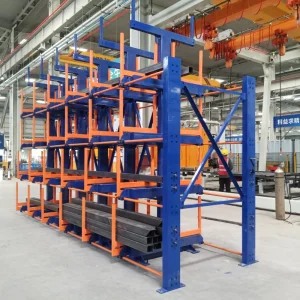
| Cantilever Racking | Specialized for long items | 500 - 5,000 kg / arm | N/A | Steel tubing, lumber, sheet metal, long extrusions |
A key differentiator for a premium storage unit exporter like Boksera Shelving is the ability to adapt standardized manufacturing capabilities into highly localized, site-specific configurations. Different industrial sectors demand distinct material and structural approaches:
Cold storage facilities run at extremely high operating costs per cubic meter, making maximum storage density critical. However, temperatures as low as -30°C can make low-grade carbon steel brittle, leading to micro-fractures under impact. Boksera solves this challenge by engineering racking systems using low-temperature-grade steel alloys combined with high-durability hot-dip galvanized finishes. This design prevents corrosion from condensation and withstands constant thermal cycling without compromising structural integrity.
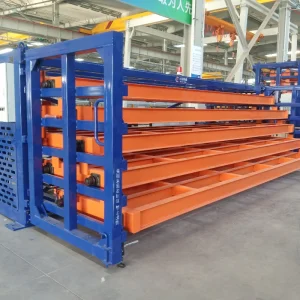
Heavy manufacturing plants, automotive factories, and metal processing workshops deal with dense, highly concentrated loads. Traditional racking can suffer local buckling under localized forces. Boksera provides specialized, high-density drawer storage systems designed specifically for sheet metal and heavy tooling. This solution enables safe overhead crane loading and unloading, keeping industrial work environments safe, clean, and organized.
E-commerce operators handle high order volumes and small, complex SKU profiles. Boksera designs hybrid pick modules that integrate multi-tier mezzanine floor structures with automated picking and carton-flow rack systems. This setup separates pedestrian picking activities from heavy fork-lift loading bays, improving workflow, safety, and inventory velocity.
Evaluating a China storage unit systems exporter requires looking beyond the initial per-ton price of steel. To ensure safety, structural compliance, and a low Total Cost of Ownership (TCO), international buyers should focus on the following details:
Industrial storage infrastructure is subject to strict local safety codes. Always verify that your exporter's systems conform to EN 15512 or AS4084-2012 standards. Additionally, request third-party structural testing reports covering frame compression, beam-to-upright connector stiffness, and weld penetration verification.
Avoid exporters who rely only on template calculations. Ensure your supplier's technical team runs comprehensive Finite Element Method (FEM) analysis. This analysis calculates seismic loads, floor slab load distribution, wind load impacts on rack-clad buildings, and dynamic deflection tolerances.
International sea freight costs can impact project budgets. Verify that the exporter uses flat-packing configurations, custom steel cradles, and edge guards for all columns and beams. This protects powder-coated components during transit and maximizes container space, lowering landed costs.
 Boksera Shelving