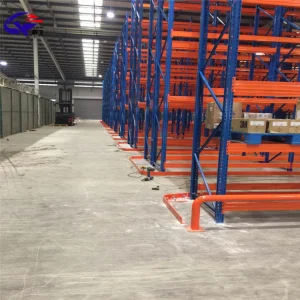
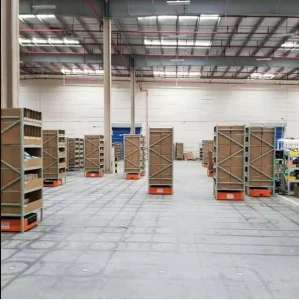
Q1: What is the main benefit of a VNA racking system?
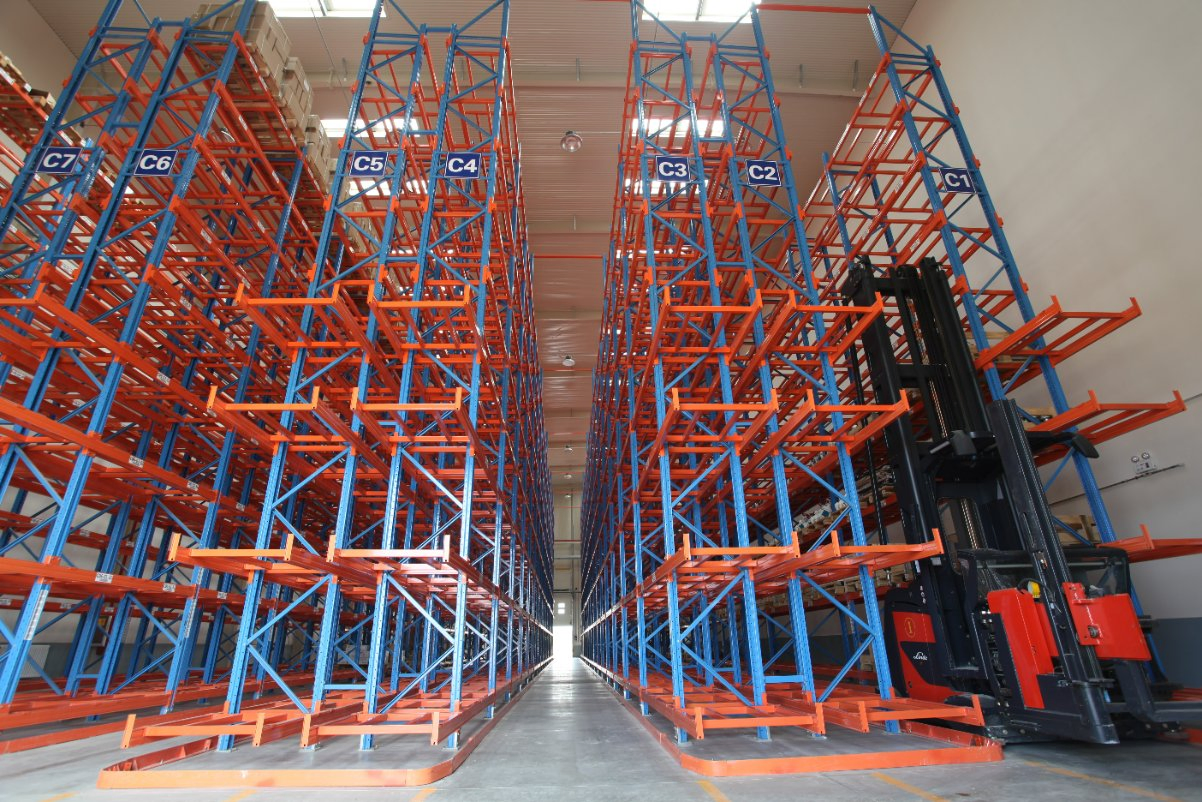
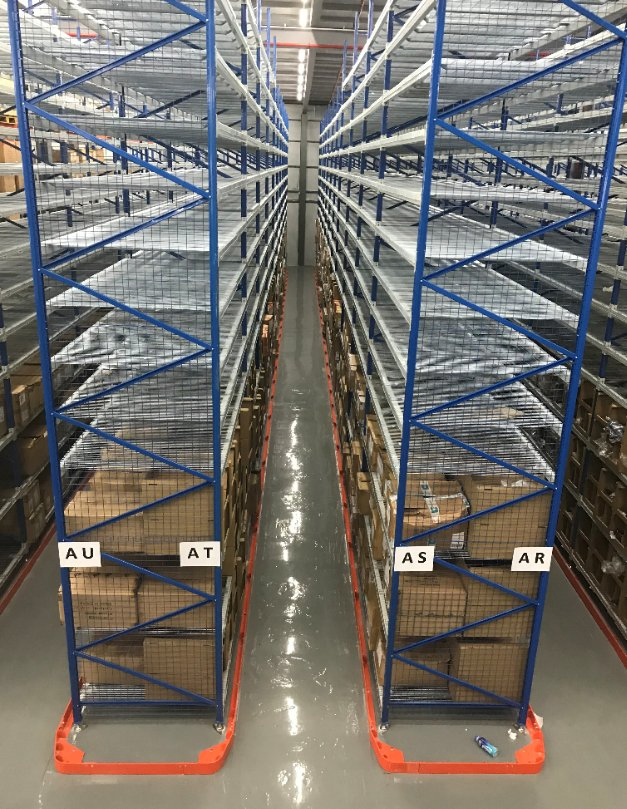
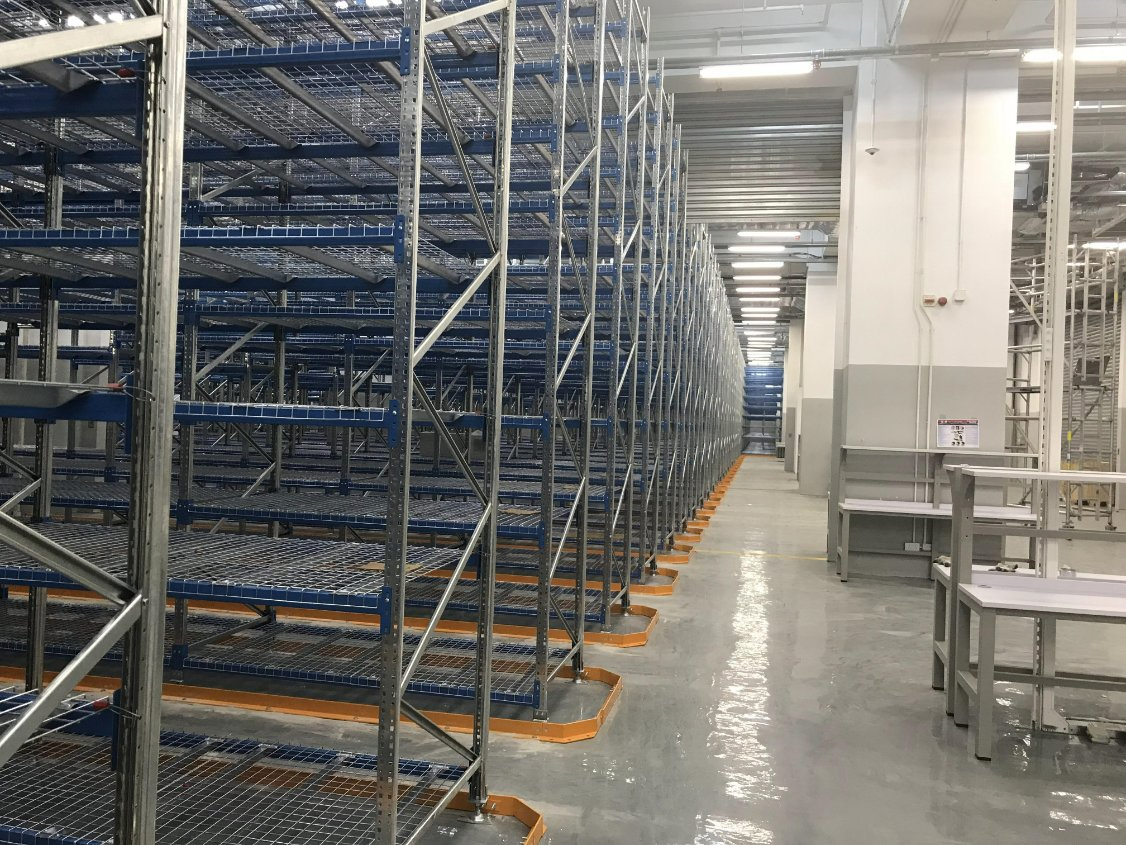
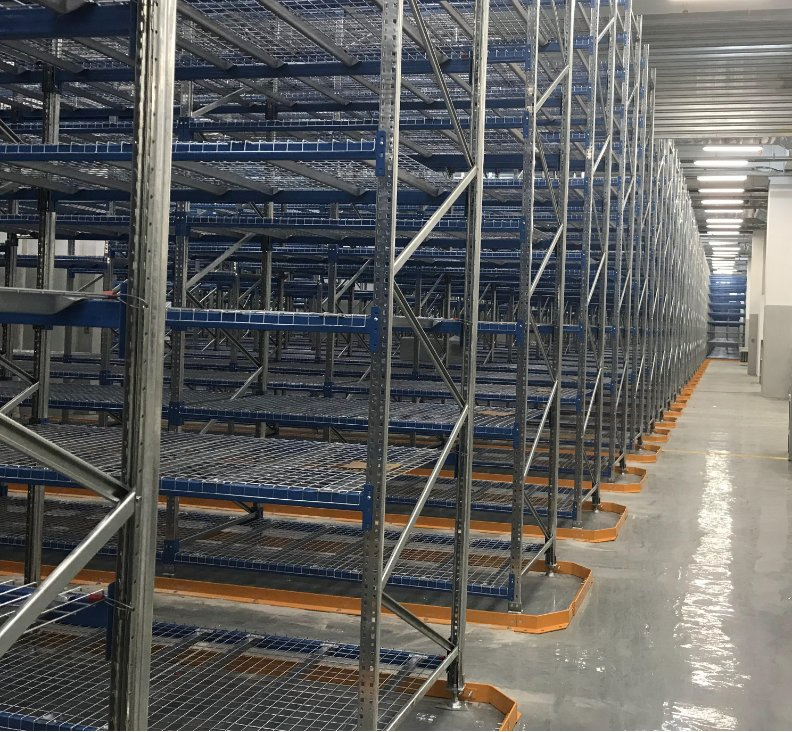
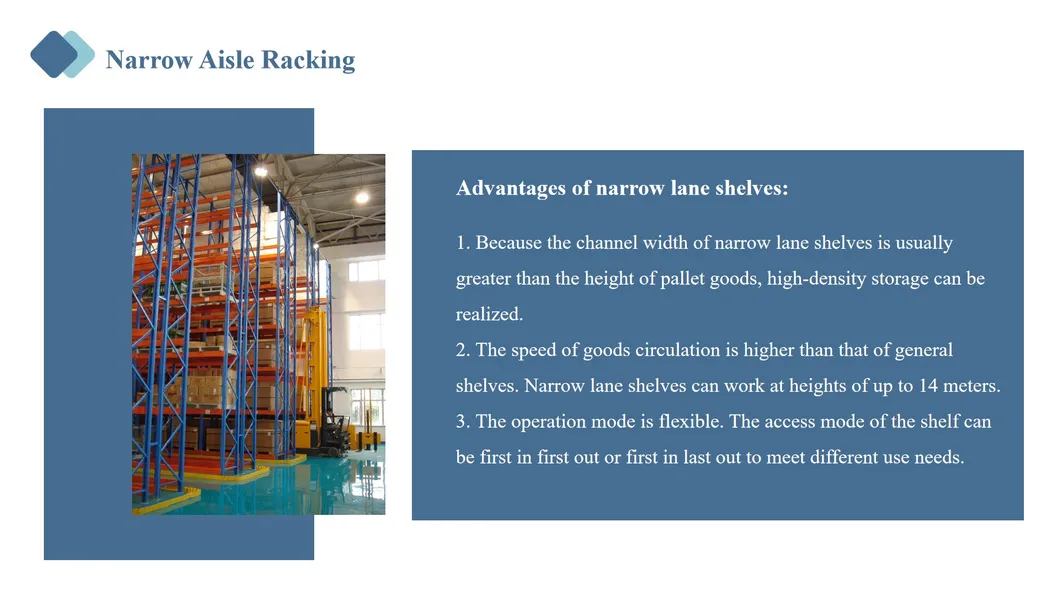
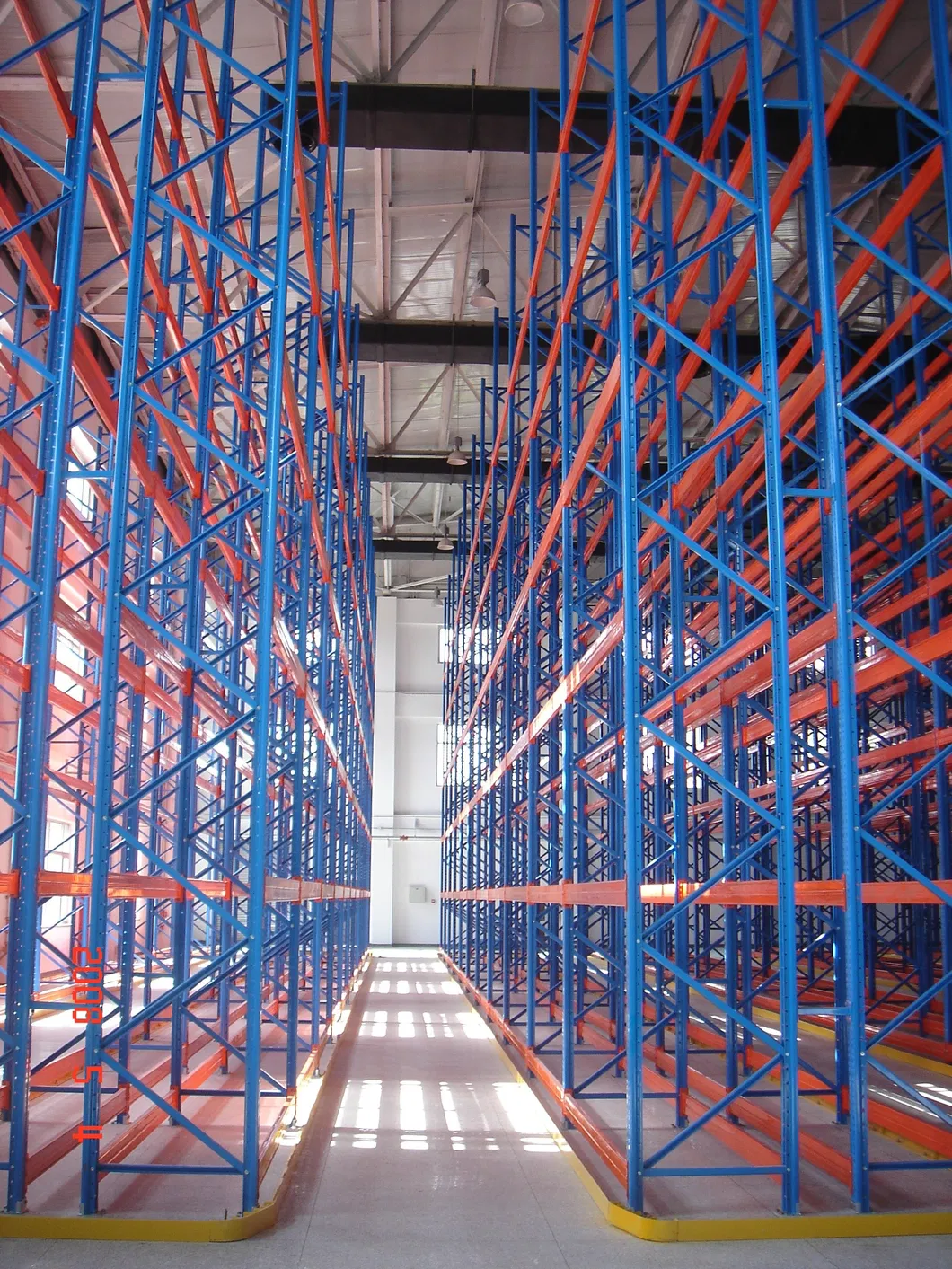
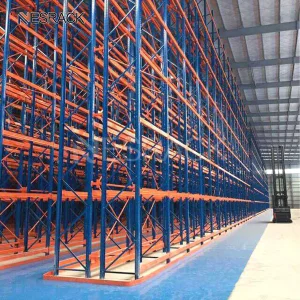
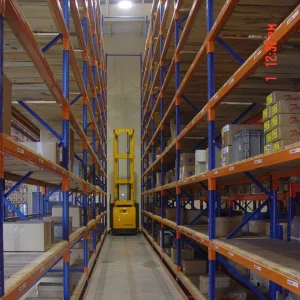
A1: The primary benefit is the significant increase in storage density. By narrowing the aisles to between 1.6m and 2m, you can improve space utilization by approximately 20% compared to standard pallet racking.
Q2: Do I need special equipment to operate in these aisles?
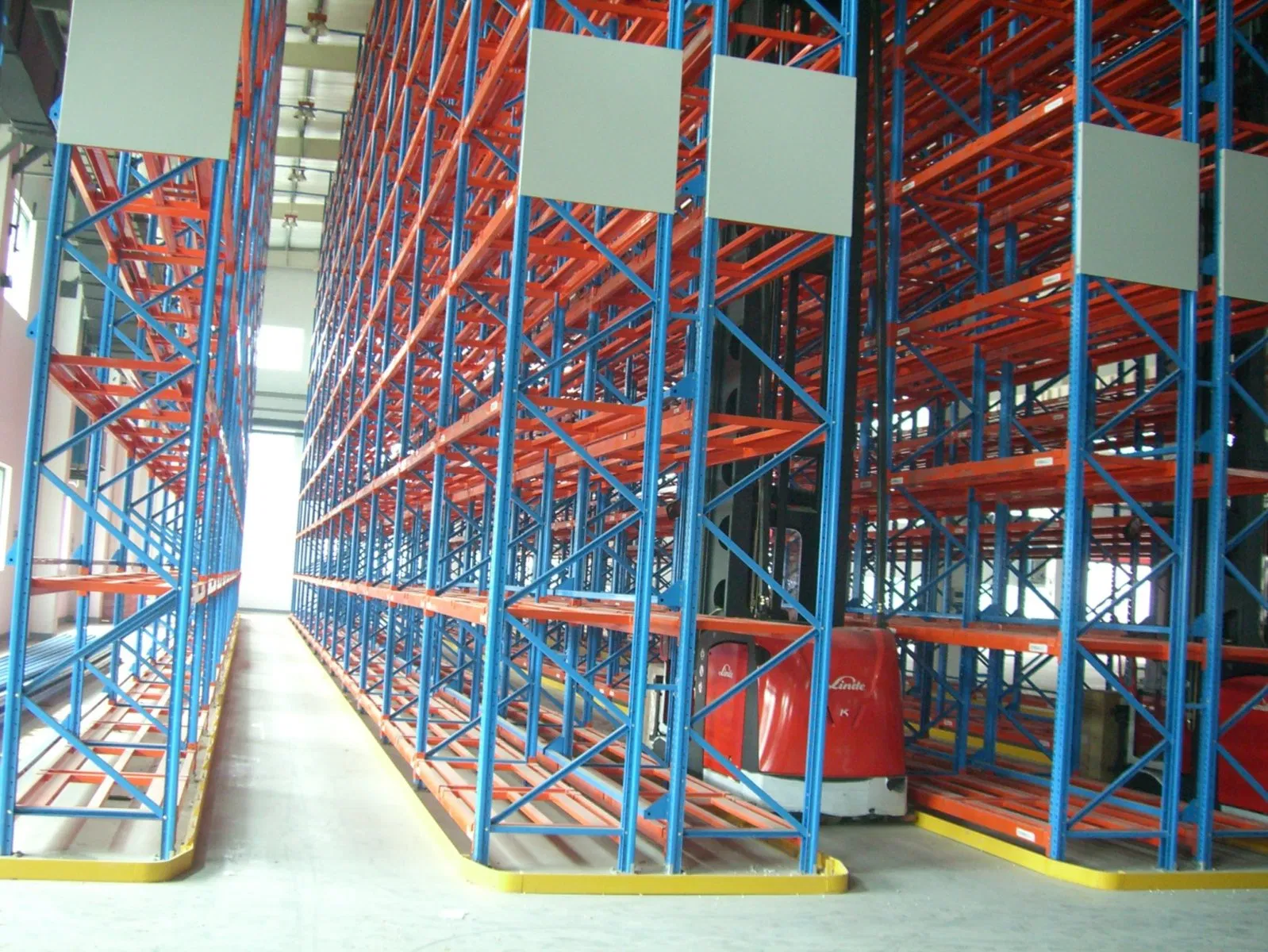
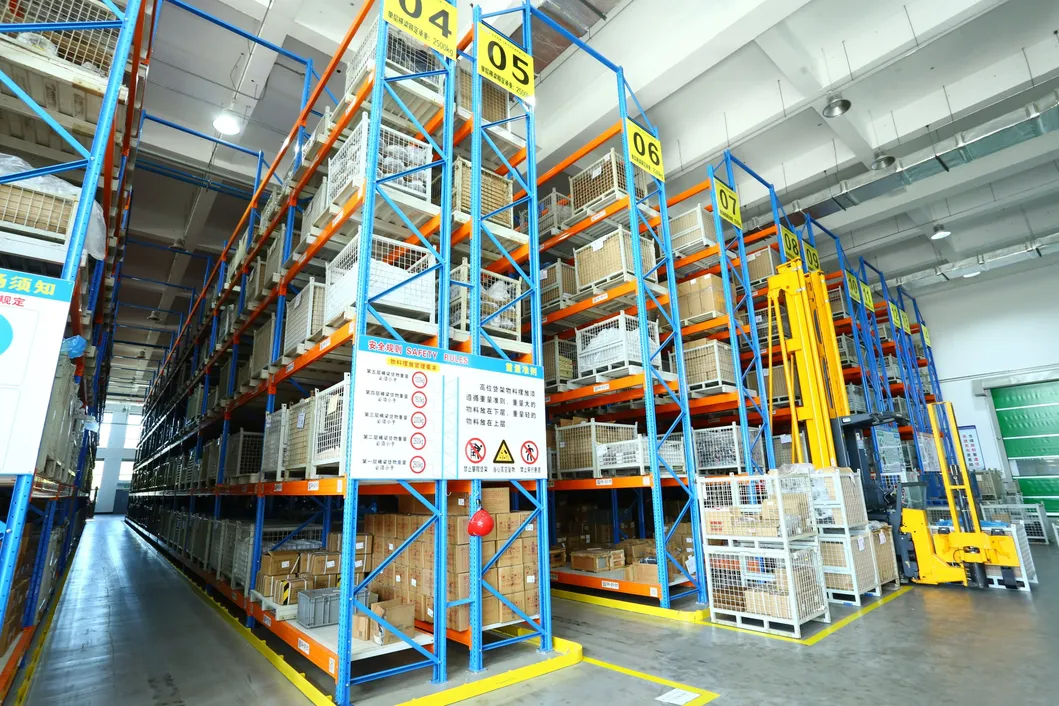
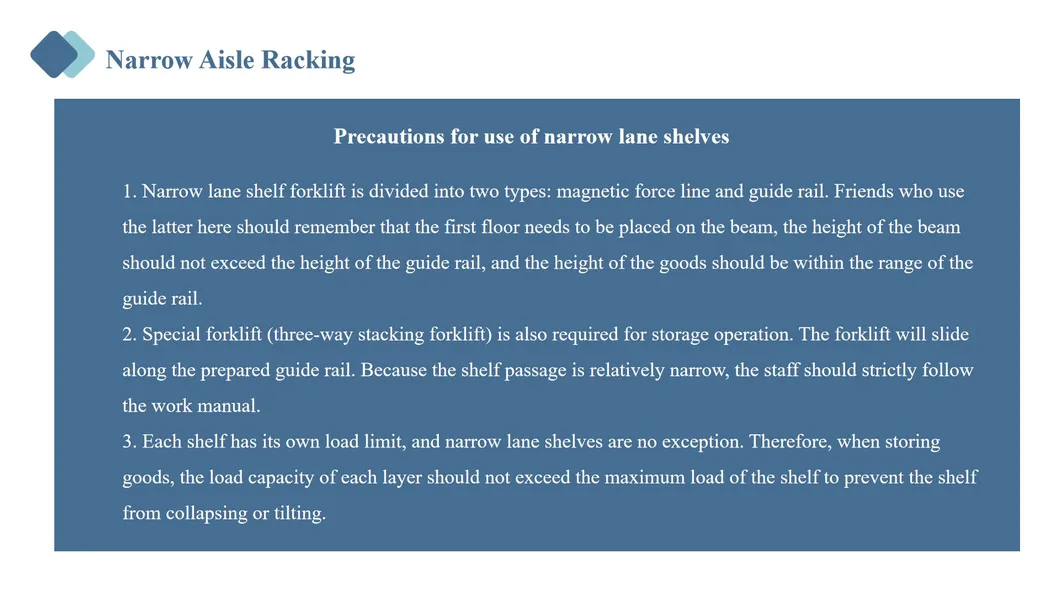
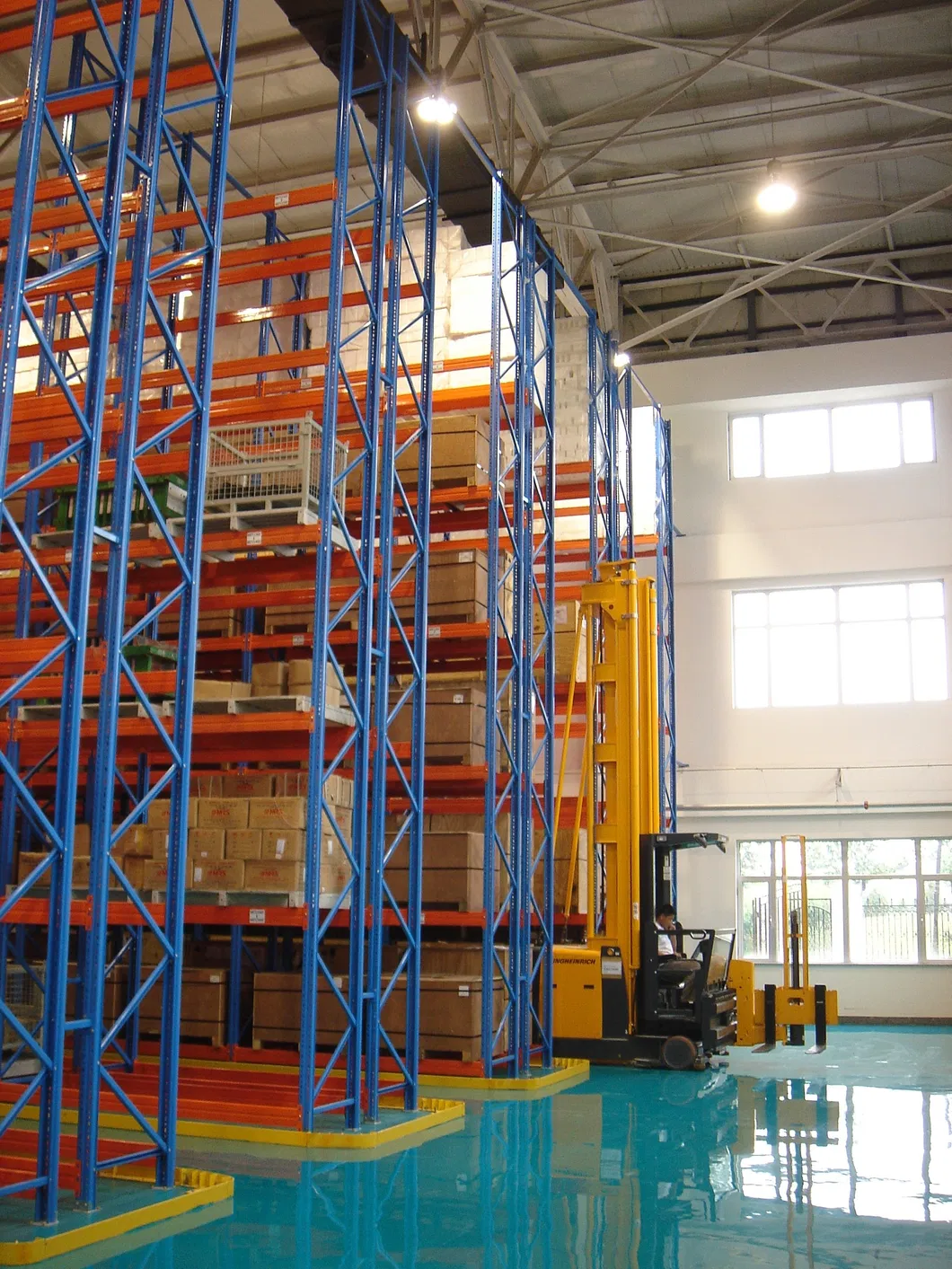
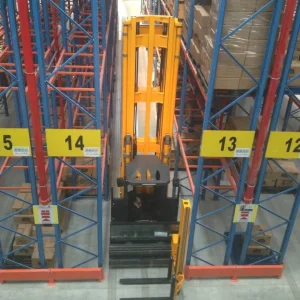
A2: Yes, VNA systems require specialized three-way forklifts or swing-reach trucks that can operate within very narrow spaces and rotate forks to access pallets without turning the vehicle.
Q3: How high can the VNA racking system be built?
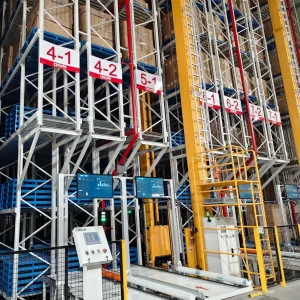
A3: These systems are highly scalable and can be designed to reach heights of up to 15-17 meters, provided the warehouse floor is sufficiently flat and the equipment can reach those heights.
Q4: Are guide rails necessary for VNA racking?
A4: Yes, guide rails (usually 200mm high) are recommended to ensure the safe movement of forklifts within the narrow aisles, reducing the risk of collision with the rack structure.
Q5: What are the floor requirements for a VNA warehouse?
A5: A very flat and hard-wearing floor is essential. Because the racking is high and the aisles are narrow, even minor floor deviations can affect the stability and safety of the forklift operations.
Q6: What is the standard load capacity?
A6: Depending on the design and material configuration, the load capacity typically ranges from 1000kg to 4000kg per level.
 Boksera Shelving