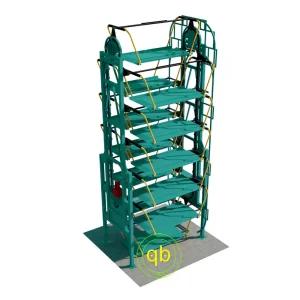
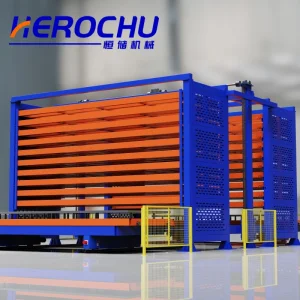
Automated Warehouse Storage System Stacker Cranefor Automated Industrial Warehouse Applications

Still deciding? Get samples of $ !
Order Sample

Product Description

i

Overview & Basic Info

Usage
Tool Rack, Beverage, Clothing, Tools, Supermarket, Food, Industrial, Warehouse Rack
Material
Steel (Q235)
Structure
Rack
Type
Selective Pallet Racking
Mobility
Combined
Height
5-40m
Weight Capacity
200-6000kg
Pallet Size
1*1.2 or Customized
Package Size
120.00cm * 70.00cm * 60.00cm
Gross Weight
1500.000kg

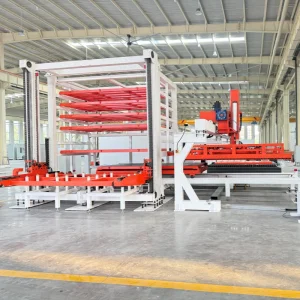
Automated Stacker Crane AS/RS

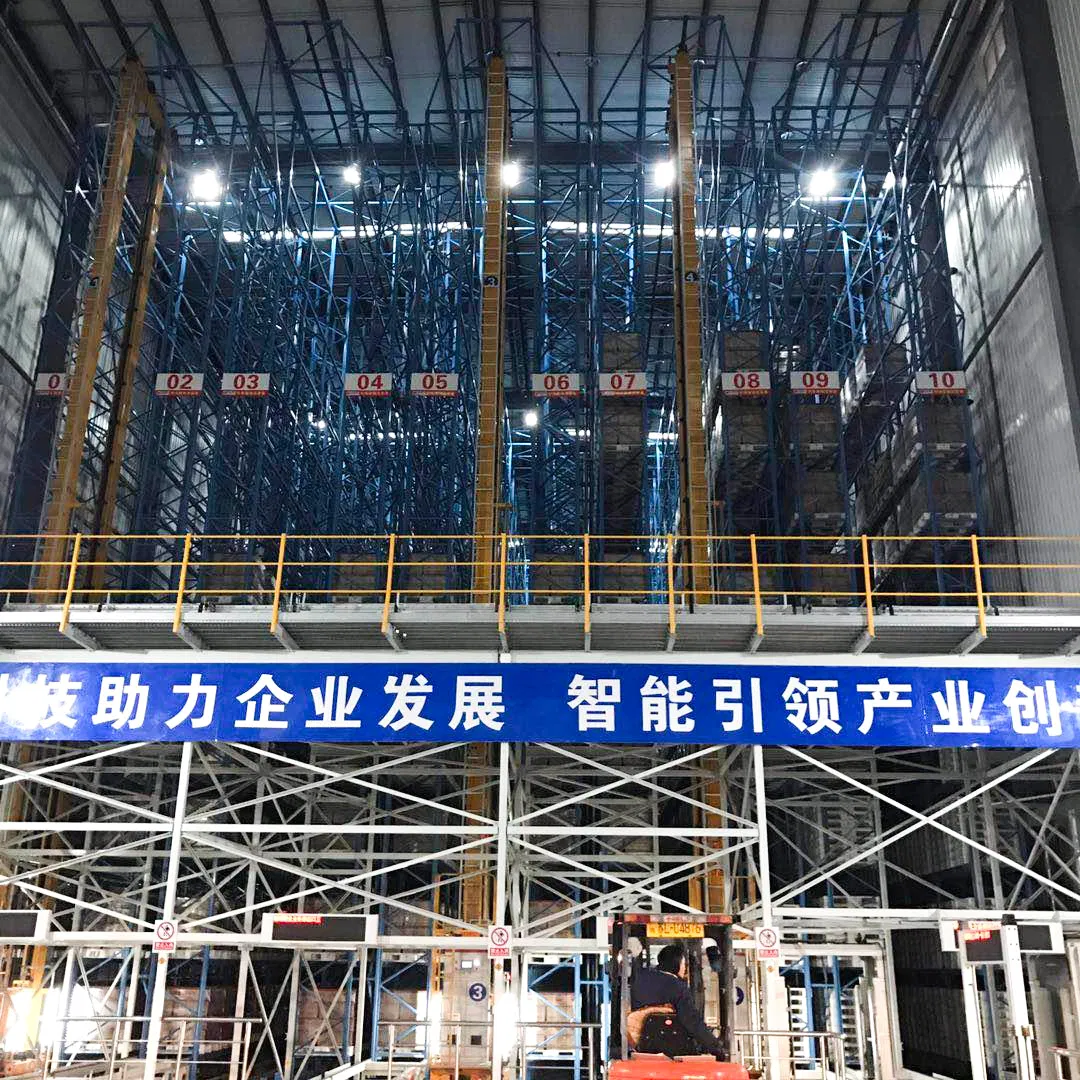
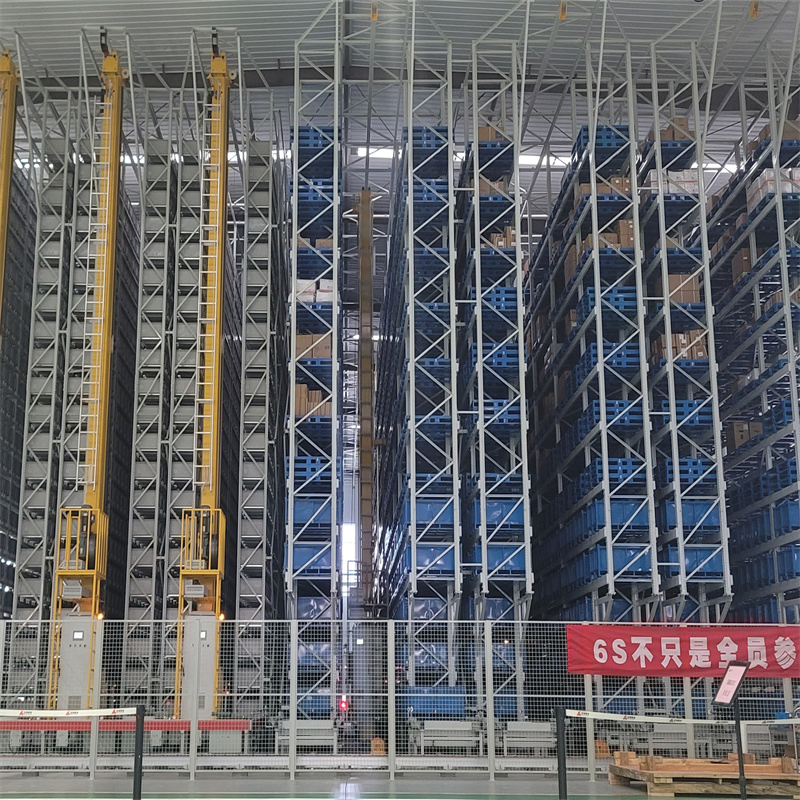
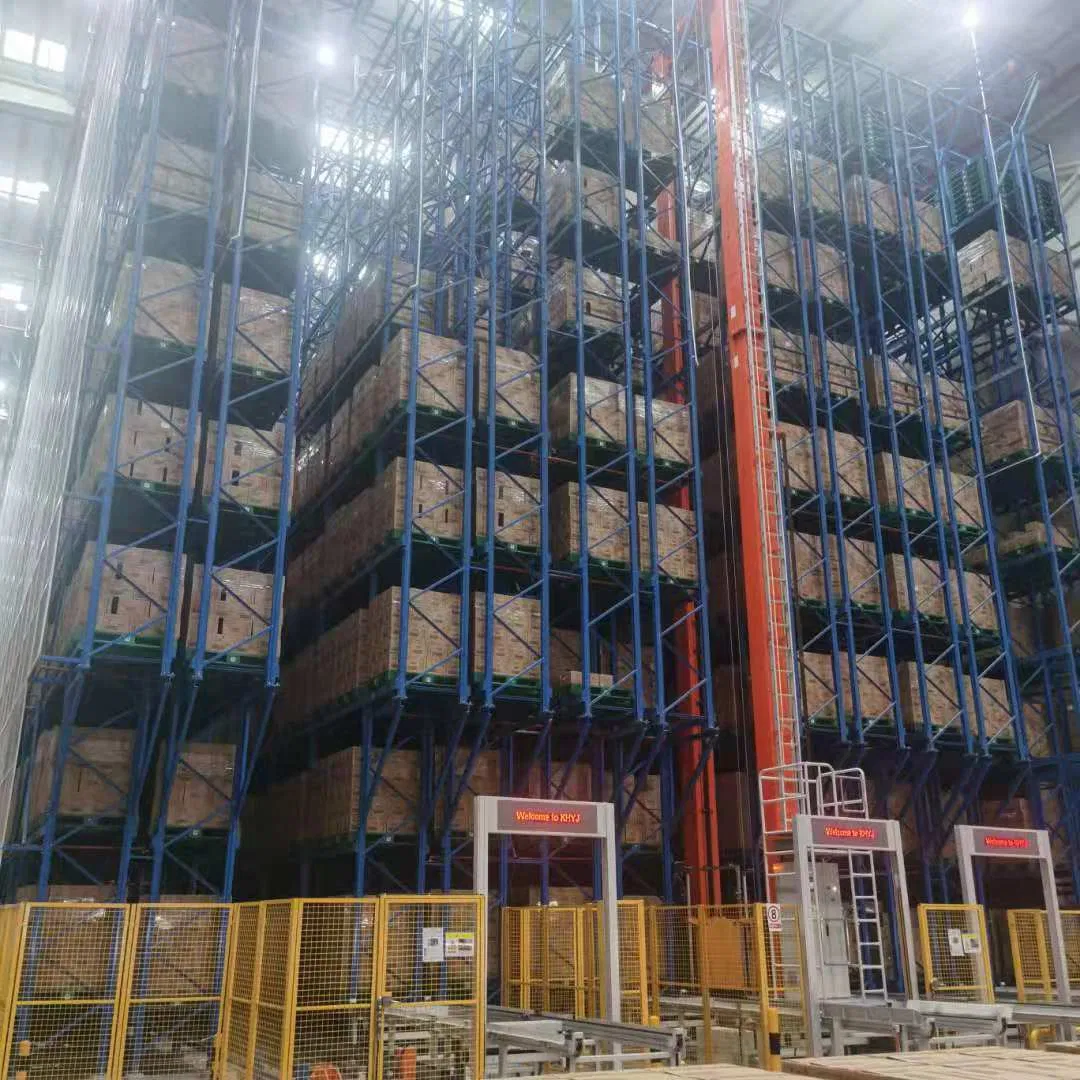
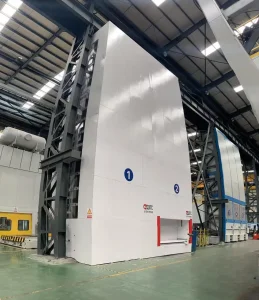
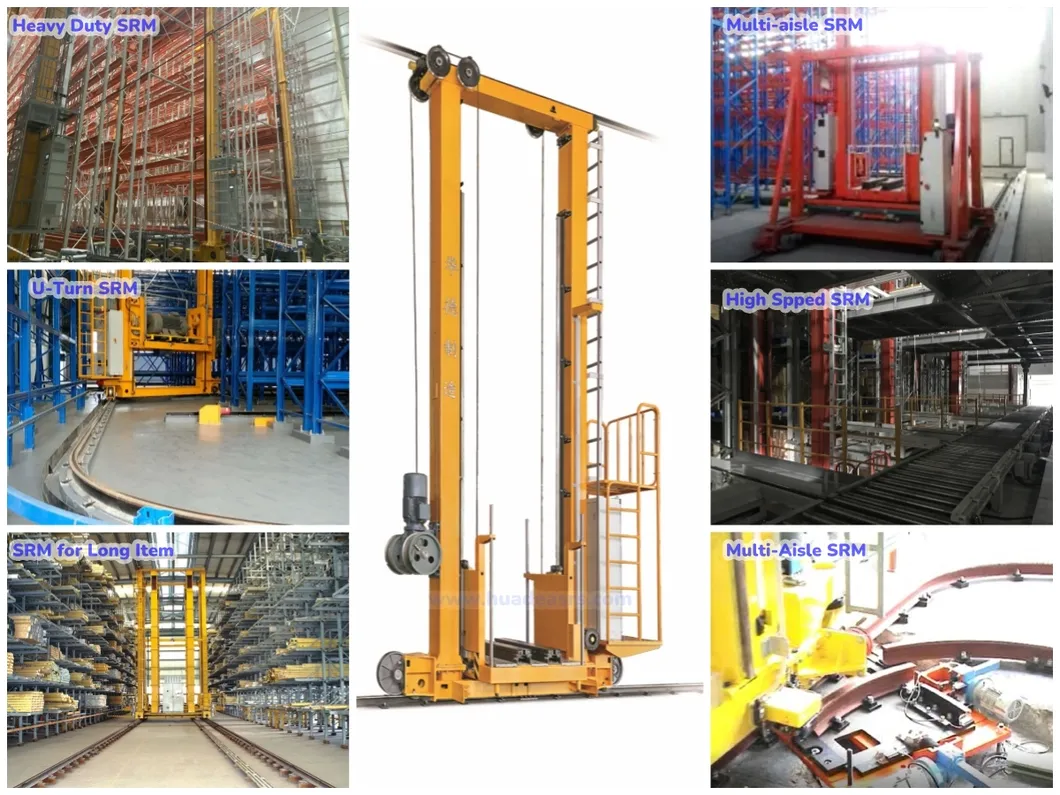
Stacker Crane AS/RS for pallets is an automated system that efficiently stores and retrieves goods, replacing manual warehousing tasks. The storage and retrieval machine (SRM) operates as a crane that moves horizontally within a single aisle.

Stacker cranes move in length, height, and depth to load and unload goods from racking structures in a highly agile, precise manner. Equipped with state-of-the-art technology, they significantly increase warehouse productivity and maximize space utilization.
Automated Warehouse Storage System

Product Features

  • Stacker Crane Controls up to 6000kgs load capacity
  • Compatibility with multiple lifting attachments, carriages, and forks
  • User-friendly design with four motion motorized movement
  • Solid-state controls with variable speeds for precise positioning
  • 4-Bar insulated conductor system for continuous power supply
  • Safety features: Two hoist brakes, overweight limit, and free-fall catching system
  • Narrower aisle requirements compared to conventional forklifts
  • Maximum stability at high positions with minimum sway

Core Components

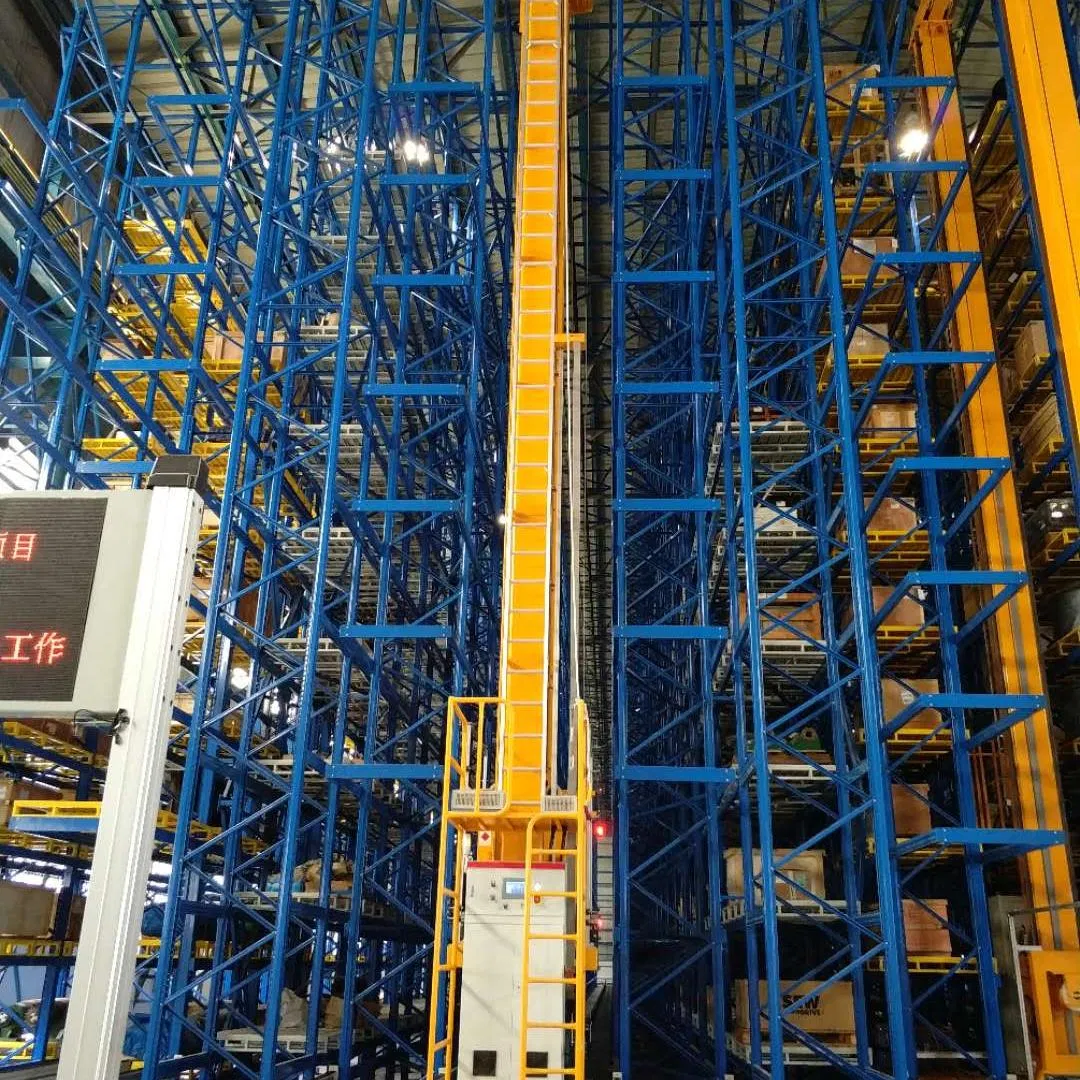
Storage / Retrieval Machine (S/RM)

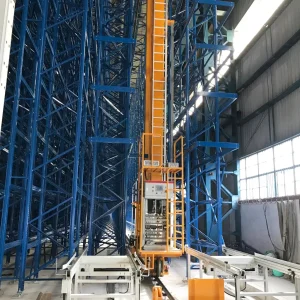
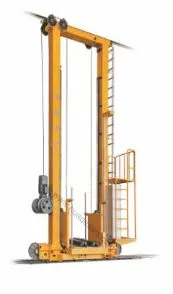
Enables efficient horizontal and vertical positioning. Supports heights up to 140 feet with a double mast design for heavy loads. Horizontal speeds reach up to 900 ft./min.
S/RM Machine
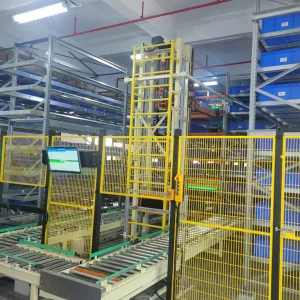
Conveying Systems

Conveying Systems

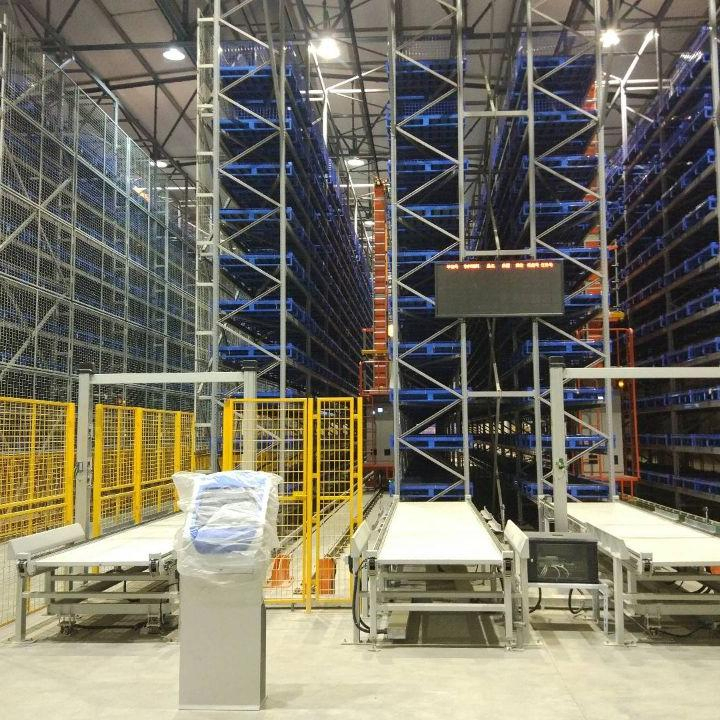
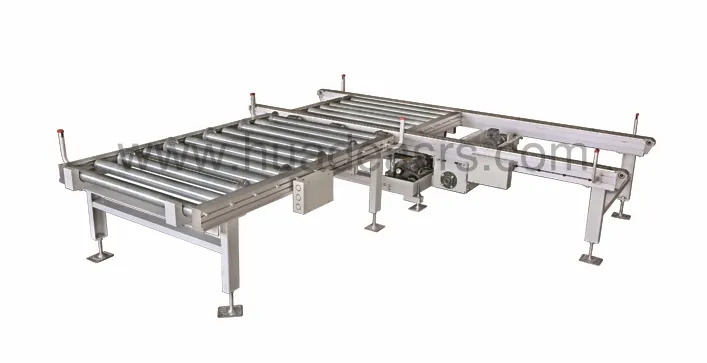
Ensures seamless material flow. Engineered to handle large volumes with precision control and real-time monitoring. Integrates with stretch-wrappers, labelers, and dispensers.

ASRS Racking

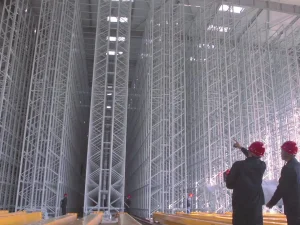
Compact storage for high bay warehouses. Precision-engineered fully bolted structures optimized for crane forces and local environmental requirements (seismic/soil type).
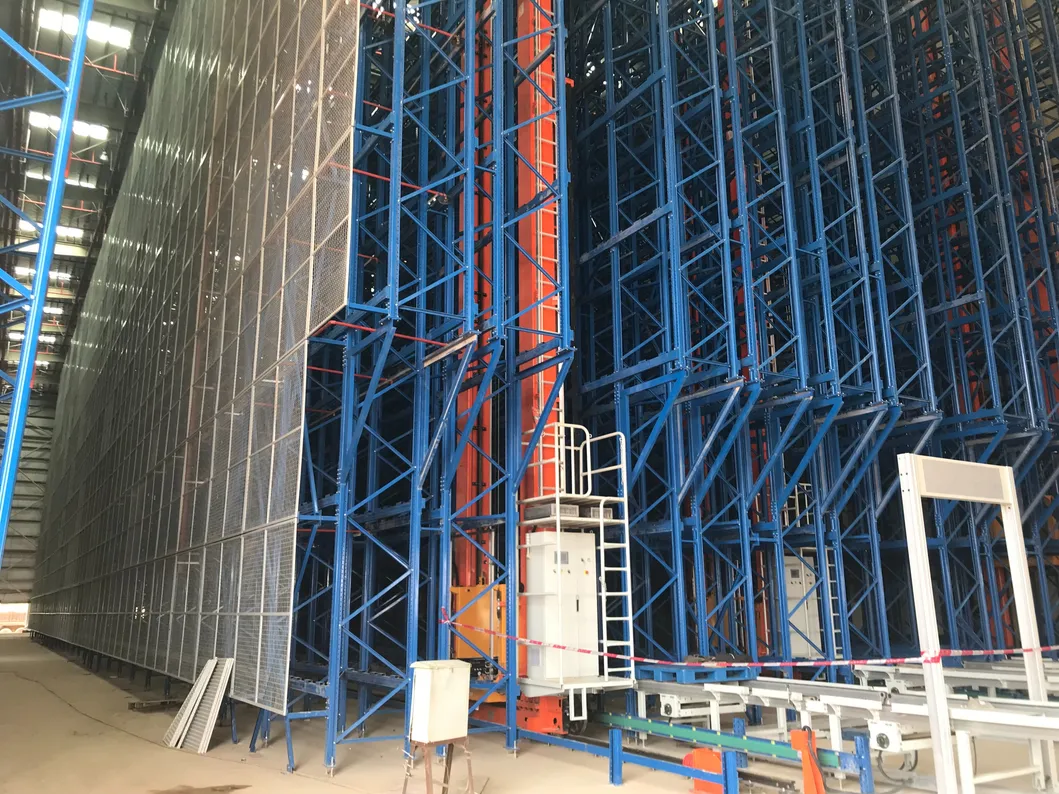
ASRS Racking
📋

System Specifications

System Module Structural & Technical Features
Racking Composite structure with pallet or drive-in options. Steel or wooden panels available. Integrated with central computer for auto loading/unloading.
Stacker Double upright structure, vector frequency conversion drive, encoder position control. Includes mechanical and electronic safety devices.
Conveying System Equipped with rolling or chain conveyors, lifts, and rotating devices. Bridges the gap between forklifts and automated stackers.
Controlling System Communicates via OPC agreement and PROFIBUS. Powered by Siemens S7-300 controllers for offline or automatic operation.
WMS/WCS Software Star network structure. OS: Windows Server. Database: MS SQL Server. Includes WMS (Management), WCS (Control), and RFS (Barcode management).
🖼

Gallery & Applications

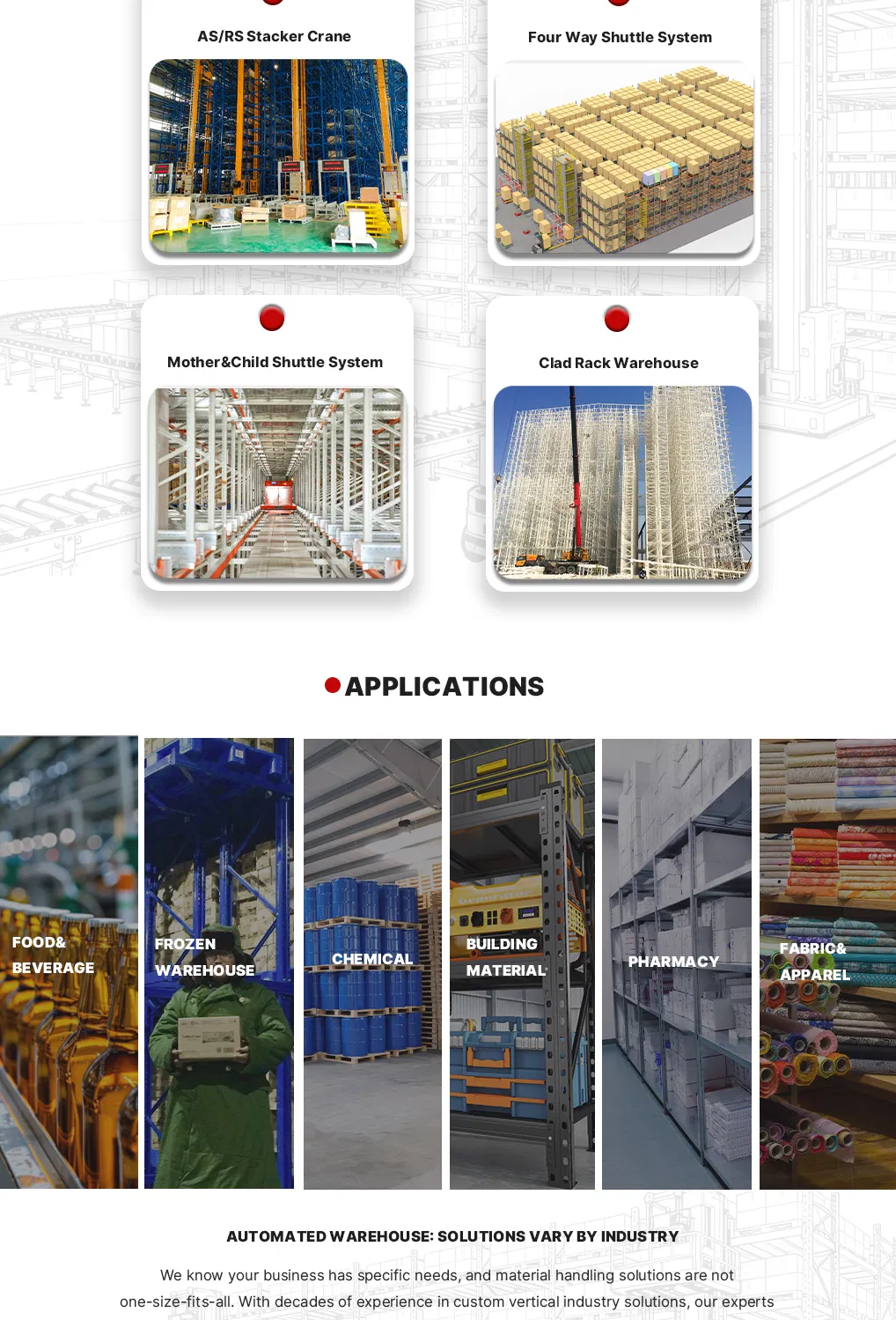
Warehouse Application 1 Warehouse Application 2 Warehouse Application 3 Warehouse Application 4 Warehouse Application 5 Warehouse Application 6
?

Frequently Asked Questions

What is a Pallet Type AS/RS?
It is a Unitload Automated Storage and Retrieval System designed to handle large palletized goods automatically using stacker cranes, maximizing storage density and speed.
What load capacities can your stacker cranes handle?
Our systems are capable of handling loads ranging from 200kg up to 6000kg, depending on the specific model and warehouse requirements.
Can this system be integrated into an existing warehouse?
Yes, the system is designed to be compatible with both existing warehouses and new build facilities, offering flexible configurations to optimize available space.
What are the main benefits of using an automated stacker crane?
Key benefits include increased storage capacity via narrow aisles, reduced manual labor errors, improved safety, and significantly faster order fulfillment through automated software integration.
What industries are these automated systems suitable for?
These systems are primarily used in the food and beverage, tobacco, electronic, mechanical, pharmaceutical, and industrial manufacturing sectors.
What is the project implementation process?
The process involves six steps: Defining objectives, Measuring data, Analyzing requirements, Designing the model, Validating feasibility/costs, and final Client Presentation of the best solution.

Related Products