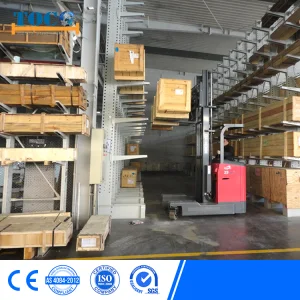
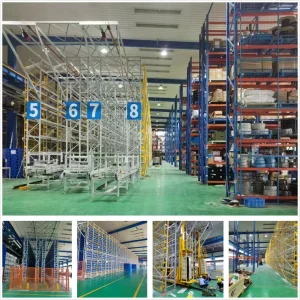
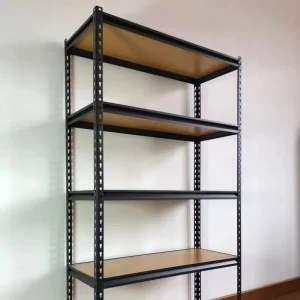
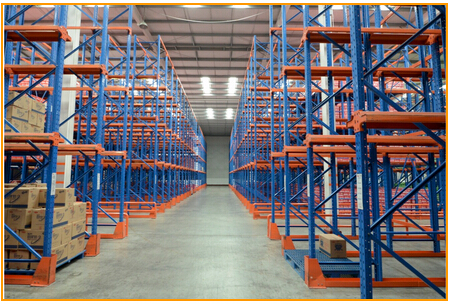
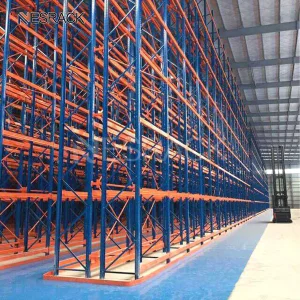
Engineered to handle critical static and dynamic loads in high-density distribution and manufacturing environments.
Dongguan Boksera Shelving Co., Ltd.
Dongguan Boksera Shelving Co., Ltd. is a professional manufacturer and supplier specializing in heavy-duty warehouse storage racking and industrial shelving solutions. With a strong commitment to quality, innovation, and customer satisfaction, Boksera designs and produces reliable storage systems that help businesses maximize warehouse space, improve inventory management, and enhance operational efficiency.
The company offers a wide range of storage solutions, including pallet racking systems, industrial shelving, and customized warehouse storage configurations tailored to meet the diverse needs of logistics centers, manufacturing facilities, retail distribution hubs, and e-commerce warehouses. Each product is engineered with durability and load-bearing performance in mind, ensuring safe and stable storage for various types of goods.
Backed by advanced manufacturing equipment and a skilled technical team, Boksera maintains strict quality control standards throughout the production process. The company is dedicated to delivering cost-effective solutions without compromising on performance or safety. In addition, Boksera provides professional consultation, layout design support, and after-sales service to ensure a seamless customer experience.
With growing international demand, Dongguan Boksera Shelving Co., Ltd. continues to expand its global presence, aiming to become a trusted partner for efficient, scalable, and high-quality warehouse storage solutions worldwide.
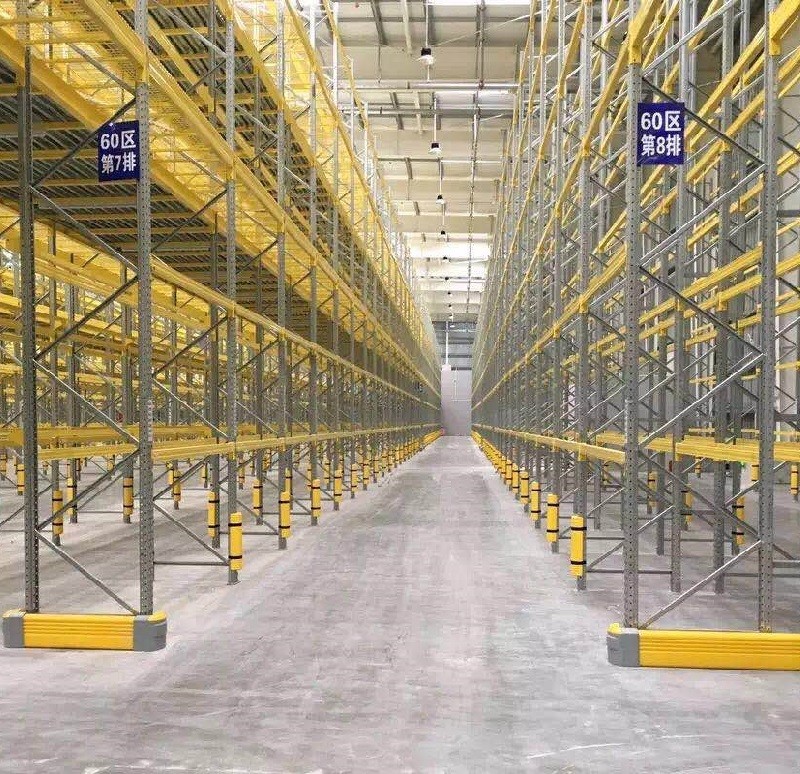
Understanding the tectonic structural and operational shifts redefining industrial logistics facilities.
Global supply chains are undergoing rapid centralization, urging storage hubs to transition from manual, low-density horizontal systems to complex vertical architectures. High-density racking is no longer a simple metal assembly; it has become the fundamental support grid of modern automated commerce. Today's global enterprises demand storage units that are not only structurally sound under seismic movements but also seamlessly integrated with advanced cyber-physical warehouse management architectures.
Three core macro-trends are driving the industrial shelving sector today:
Modern racking must meet strict geometric tolerances. Stacker cranes and autonomous shuttles require frame alignments with sub-millimeter precision to prevent hardware collisions during high-speed, vertical operations.
Structural engineers utilize dynamic load simulators to guarantee performance under seismic activities. Standards require localized engineering that respects ground acceleration values of specific geographic zones.
Decarbonization policies require raw material traceability. Suppliers are shifting to high-strength, low-alloy (HSLA) structural steels manufactured in certified clean-energy smelters.
A technical guide for design engineers and supply chain directors when selecting cold-formed structural steel profiles.
| Steel Grade / Type | Yield Strength (MPa) | Primary Industrial Use Case | Ideal Environmental Conditions | Corrosion Resistance |
|---|---|---|---|---|
| Q235B Carbon Steel | 235 Min | Standard light-to-medium boltless rivet shelving units. | Dry, climate-controlled retail and parts storage warehouses. | Standard (Powder-coated) |
| Q355B (High-Strength) | 355 Min | Heavy-duty structural pallet racks, Drive-In, and dynamic VNA systems. | High-capacity logistics centers with active forklift movements. | Enhanced (Epoxy finishes) |
| Pre-Galvanized DX51D | 270 - 300 | Outdoor storage setups, humid microclimates, and direct moisture contact. | High humidity zones, coastal logistics centers, process facilities. | Excellent (Self-healing zinc layers) |
| SS400 Structural Steel | 245 Min | Structural cantilever racks, heavy multi-tier mezzanine floors. | Heavy automotive component manufacturing hubs. | Heavy industrial coat |
Custom-engineered racking layouts designed to balance selectivity, vertical volume, and picking dynamics.
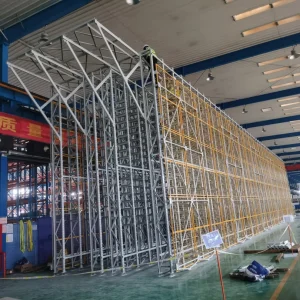
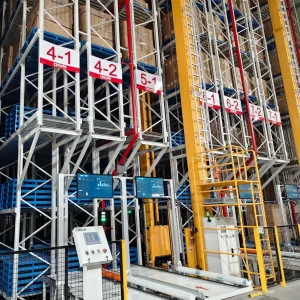
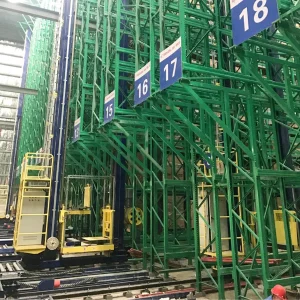
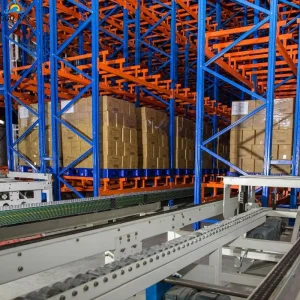
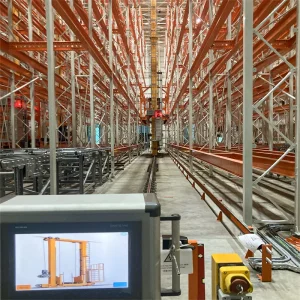
Implementing Automated Storage and Retrieval Systems (AS/RS) allows companies to operate under dark warehouse principles, maximizing the use of vertical height without the need for manual picking lanes. These structural systems depend on precise frame manufacturing, which prevents column twisting under heavy pallet load changes. Structural uprights are constructed from high-grade hot-rolled coils, providing high load-bearing capacities even at heights above 30 meters.
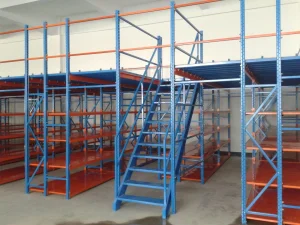
For manual assembly plants and diverse parts picking operations, industrial structural mezzanine floors offer a scalable solution that utilizes overhead space without needing major building construction. Supported by heavy-duty steel columns, these systems feature integrated stairways, safety gates, and reliable loading gates. This design efficiently organizes assembly spaces above ground-level heavy bulk storage.
Compliance and structural validation processes.
At Dongguan Boksera Shelving Co., Ltd., safety is paramount. Every rack frame, upright beam, and locking device undergoes strict QA/QC testing. Through finite element analysis (FEA), our structural engineers simulate load stresses, forklift impacts, and seismic reactions before manufacturing begins.
Our production line features state-of-the-art automatic roll-forming machines, computerized punch presses, and advanced powder-coating lines. Compliance with international standards is maintained across all operations:
The transition toward intelligent structural racking, sustainable coatings, and adaptive logistics grids.
Embedding fiber-optic sensors and micro-strain gauges within loaded upright frames to monitor stress distribution and detect damage from forklift impacts.
Transitioning from petroleum-based powder coatings to bio-derived resins. This shift reduces VOC emissions and improves scratch resistance under heavy pallet scraping.
Developing modular connector systems that allow quick shifts between pallet flow, dynamic push-back, and automated VNA storage modes without structural rebuilding.
Direct technical explanations to assist procurement departments and warehouse architects.
Complete custom solutions engineered for varying densities, selective accessibility, and industrial loads.
 Boksera Shelving